
Field Trips with Geological Rigour
Geólatra organises small-group field trips for specialist audiences: universities, geological societies, tour operators and serious enthusiasts. We visit and interpret specific sites of geological interest — and, in some cases, we sketch what we see too. Trips are led by a geologist with a PhD, in Spanish or English, and the whole experience can be arranged for you end to end, including accommodation and transport for the group.
About me
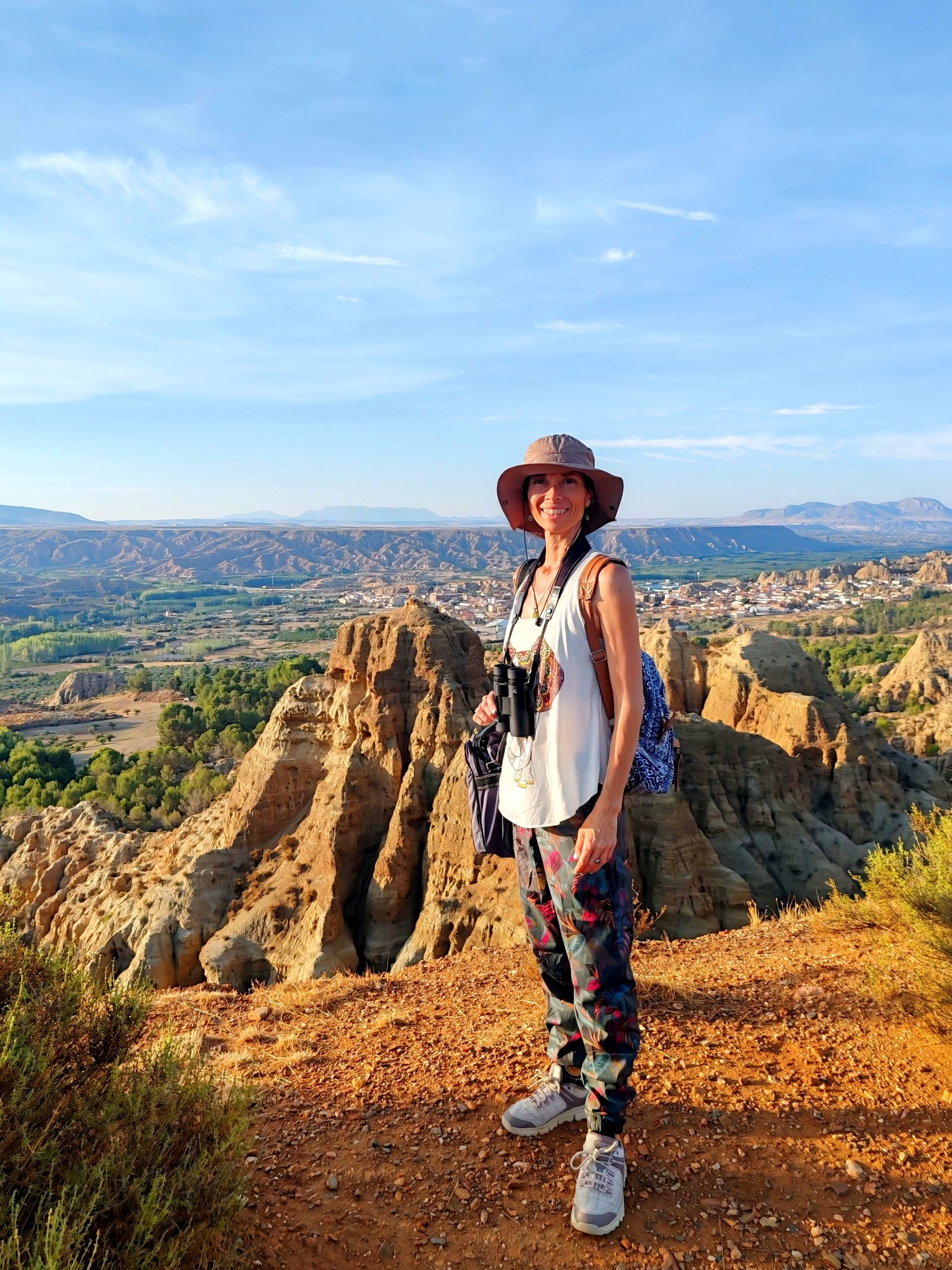
Helena Chacón, PhD
PhD in Geology. Landscape storyteller
Helena Chacón holds a PhD in Geology, specialising in Geochemistry and Petrology, and is passionate about the countryside, nature and illustration.
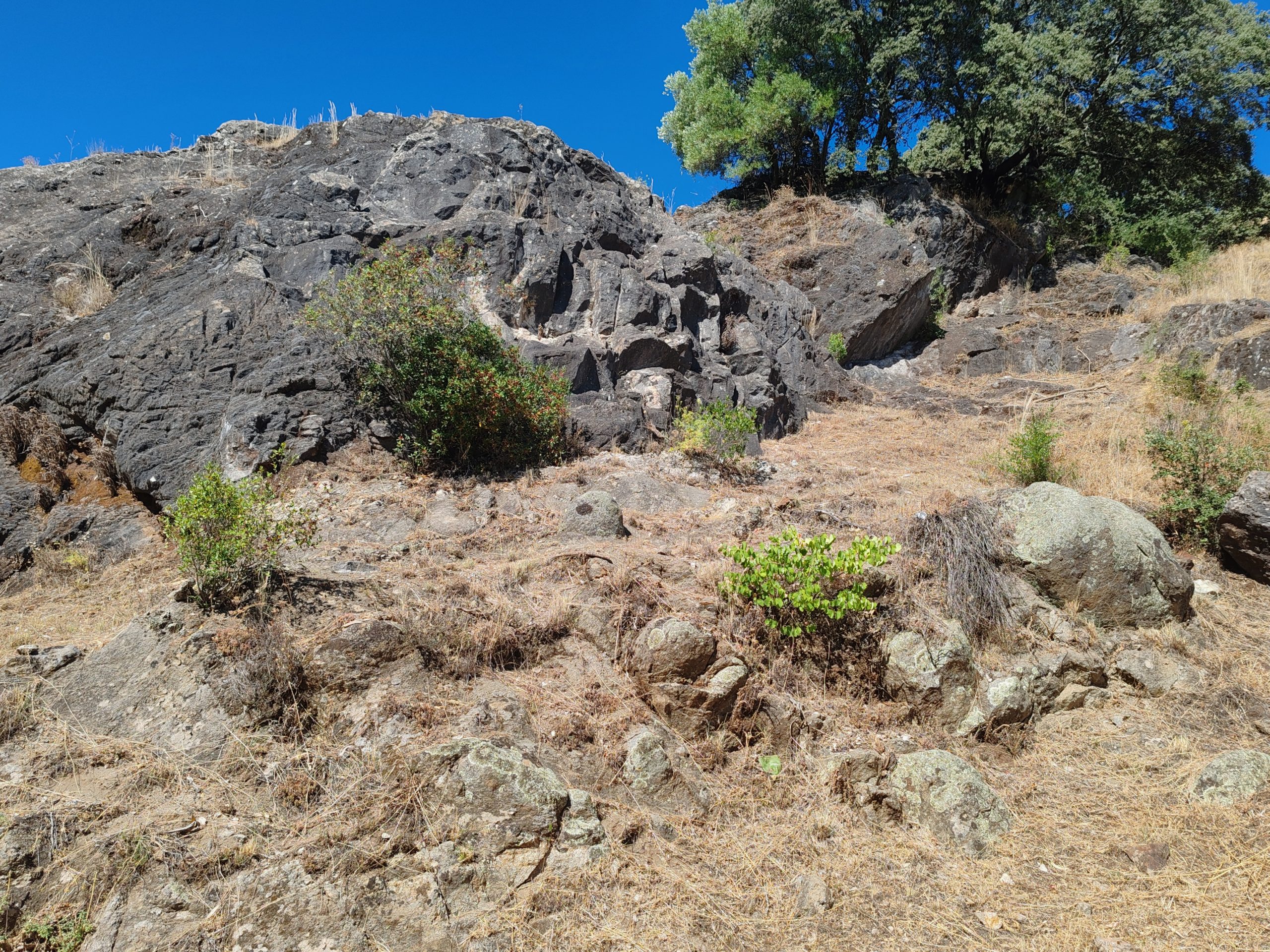
Trained at the University of Huelva, she has focused her research on igneous and metamorphic petrology and surface geochemistry — from the high-temperature marbles of the Aracena metamorphic belt to the behaviour of trace elements and rare earth elements in the weathering profiles of the pillow lavas at Cumbres de Enmedio.
She has also spent research stays at the University of St Andrews (Scotland) and the Petrology and Mineralogy Laboratory in Nice (France), among others.
She currently lives in the Sierra de Aracena y Picos de Aroche Natural Park (Huelva) and travels around the Sierra organising nature activities and guiding specialists and curious minds to geosites of particular interest. Helena explains the local, regional and global geological history in a way that anyone can follow, from an amateur to a specialist seeking scientific rigour.
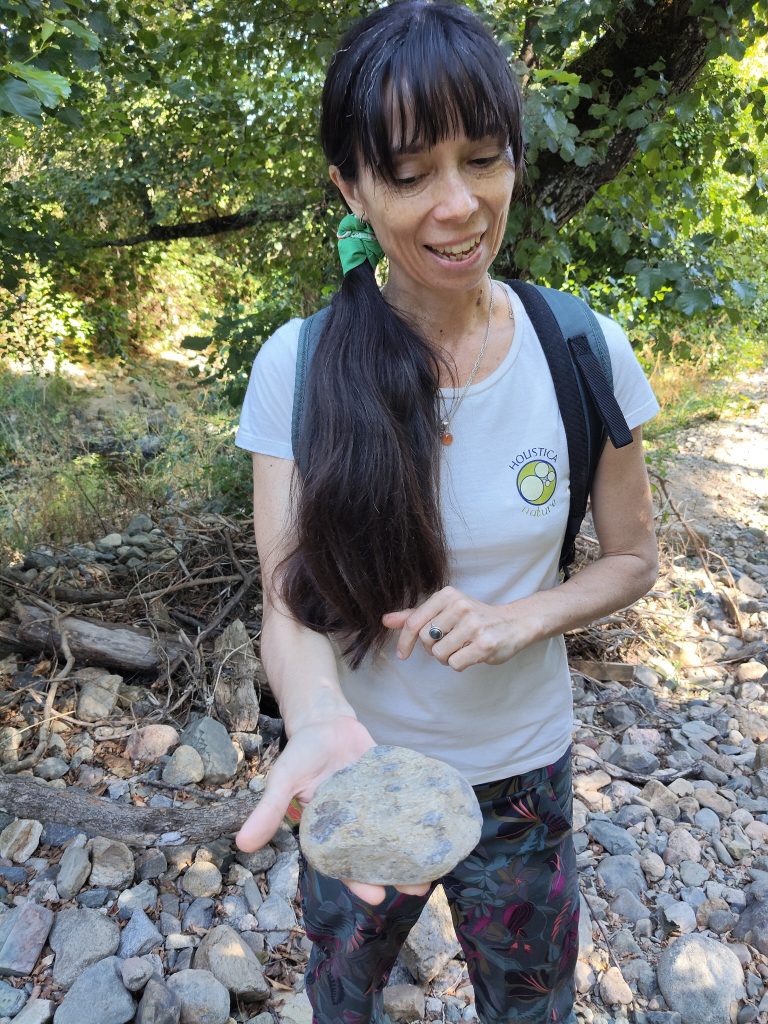
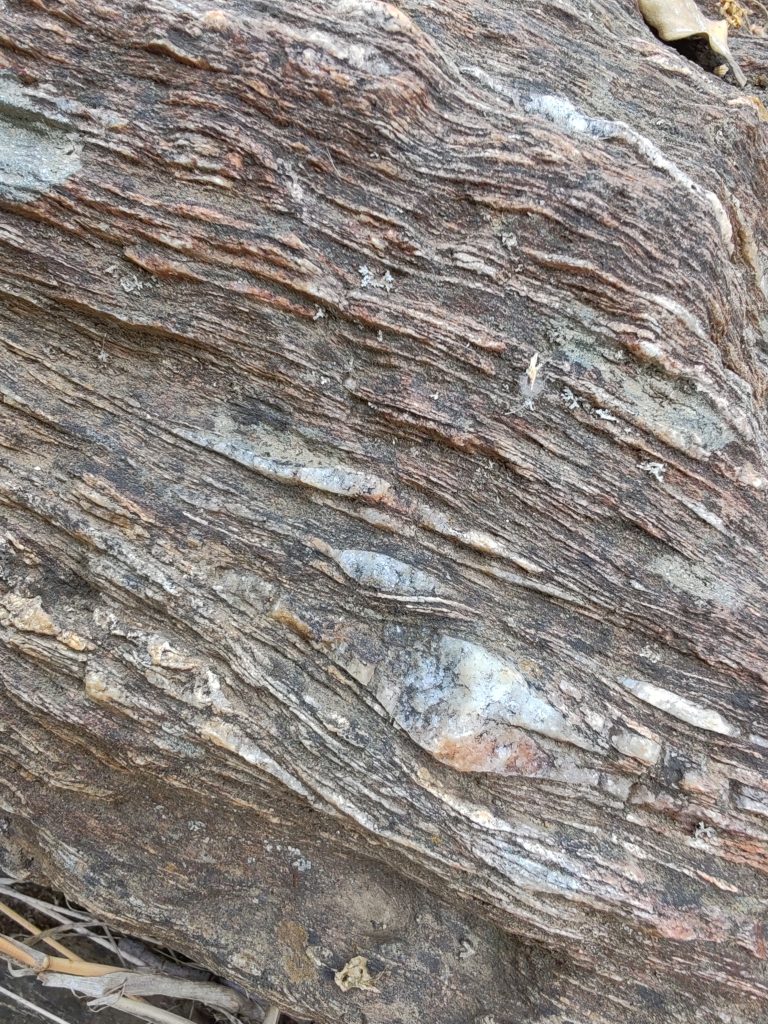
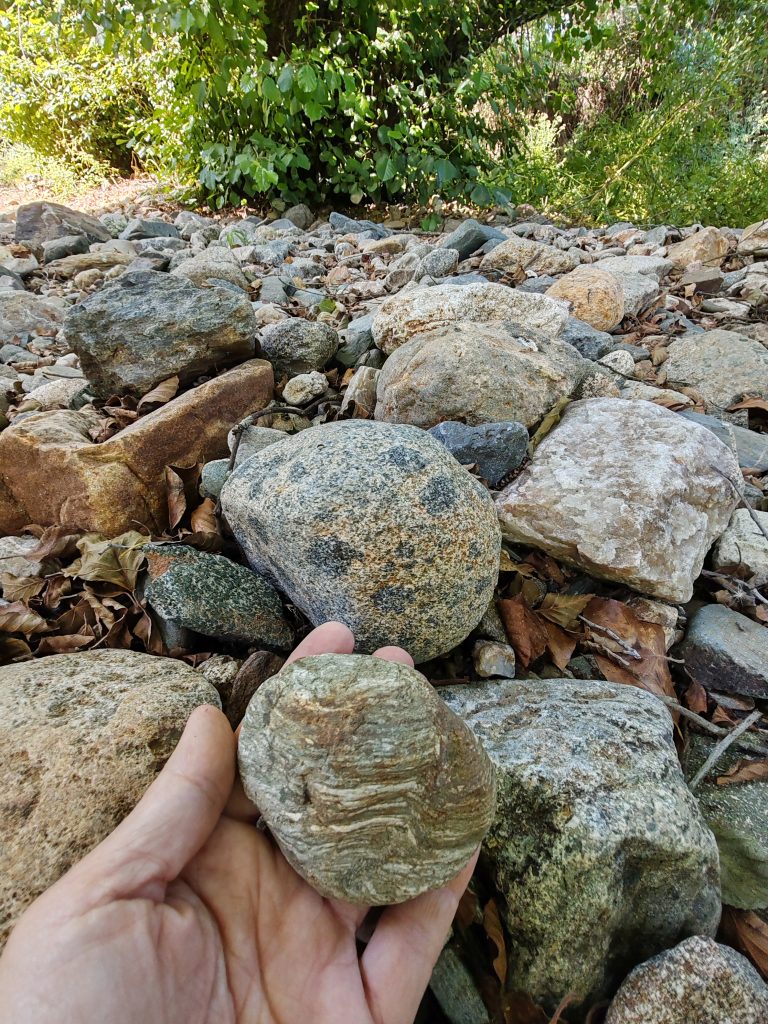
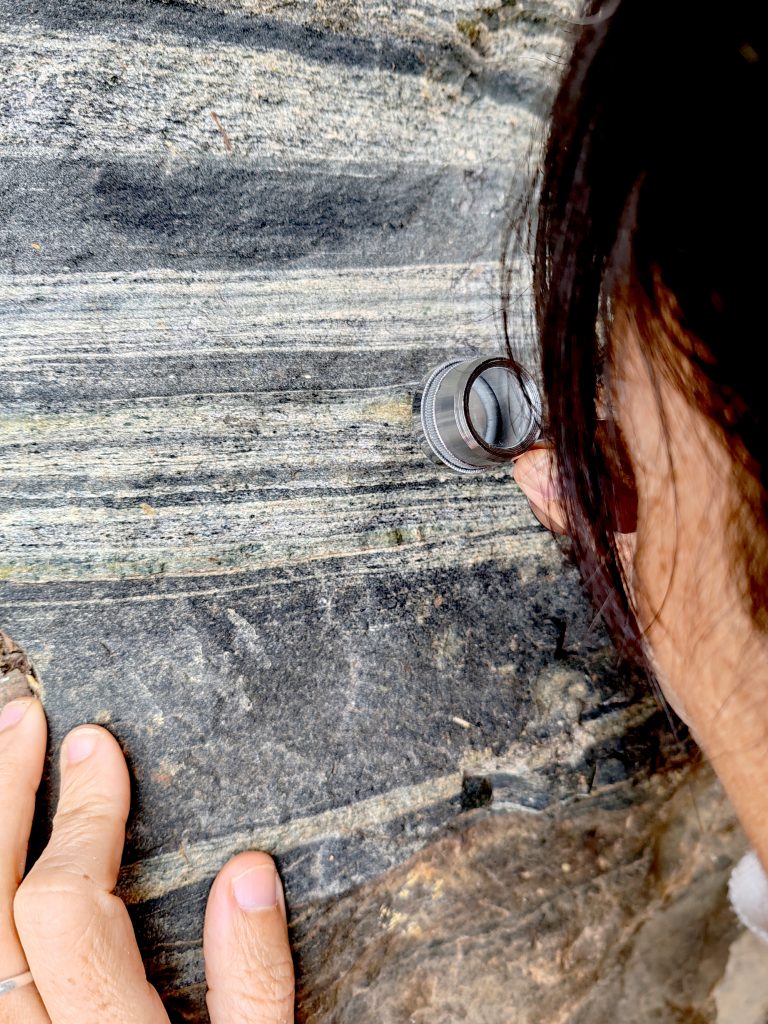
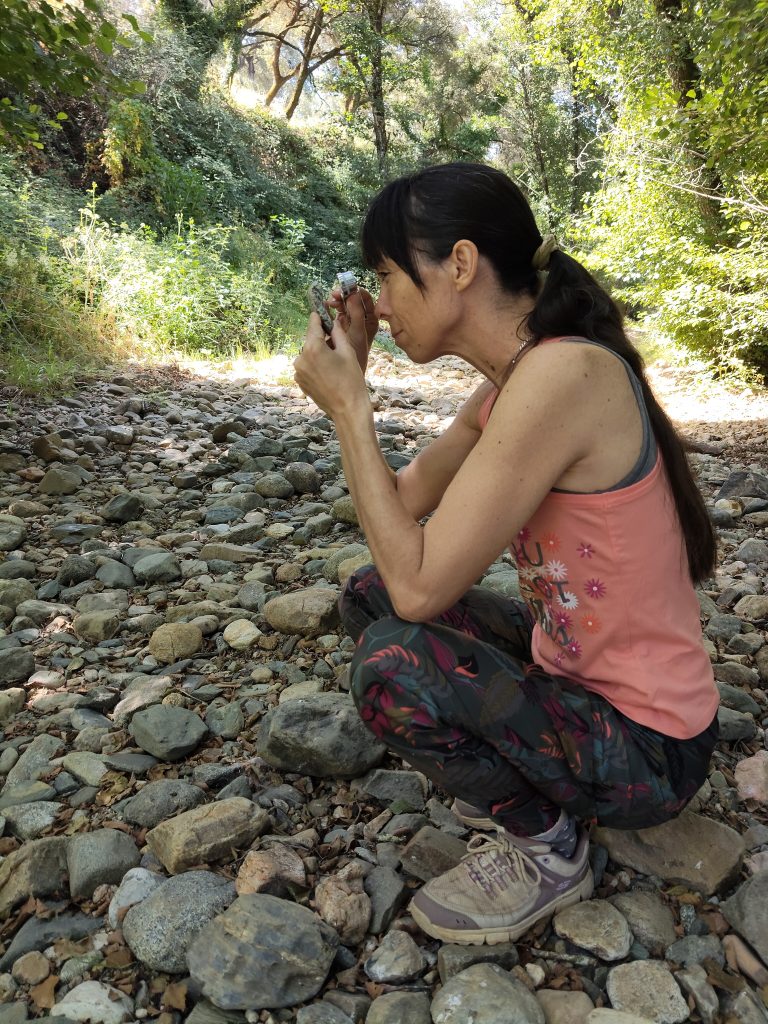
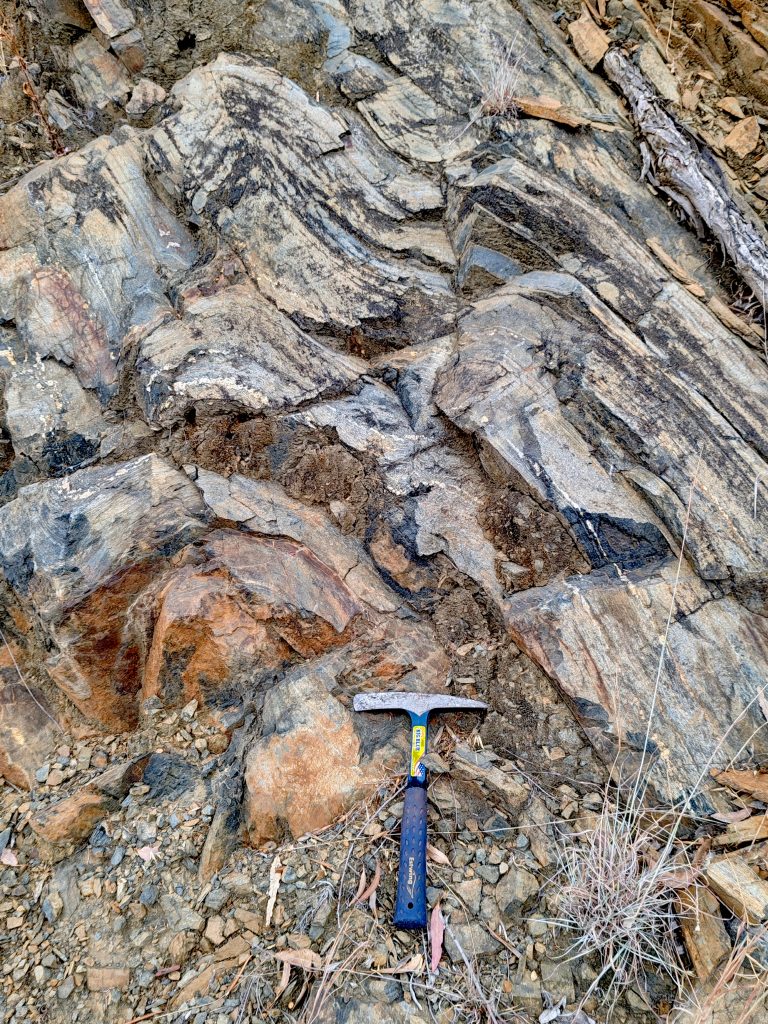
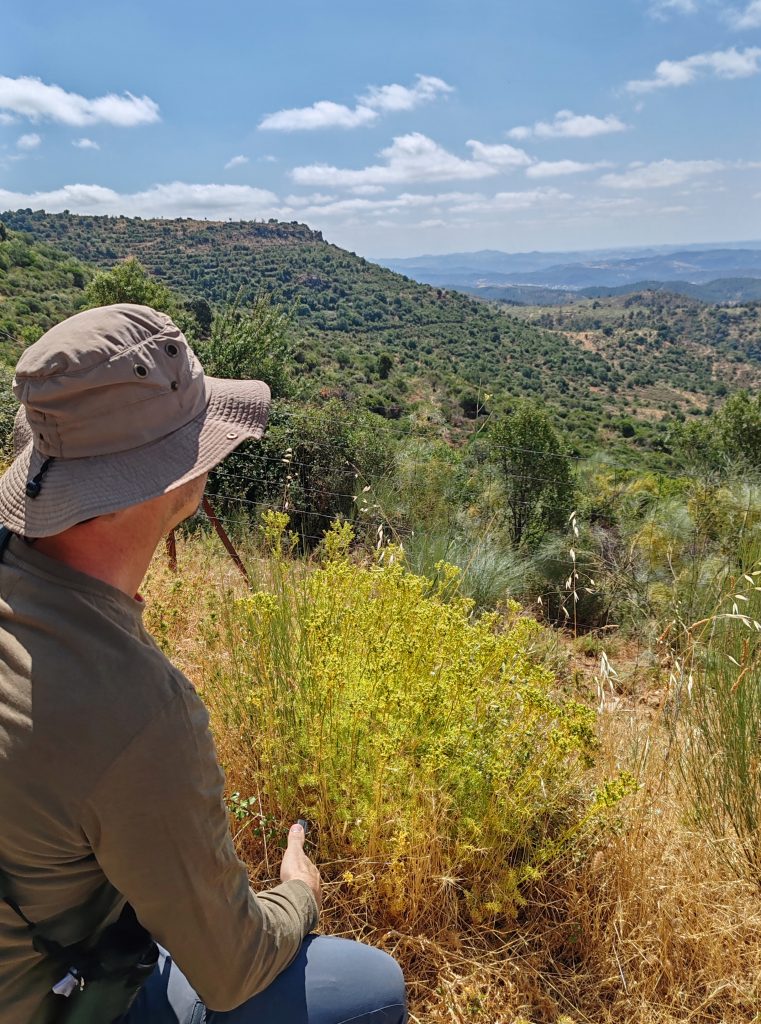
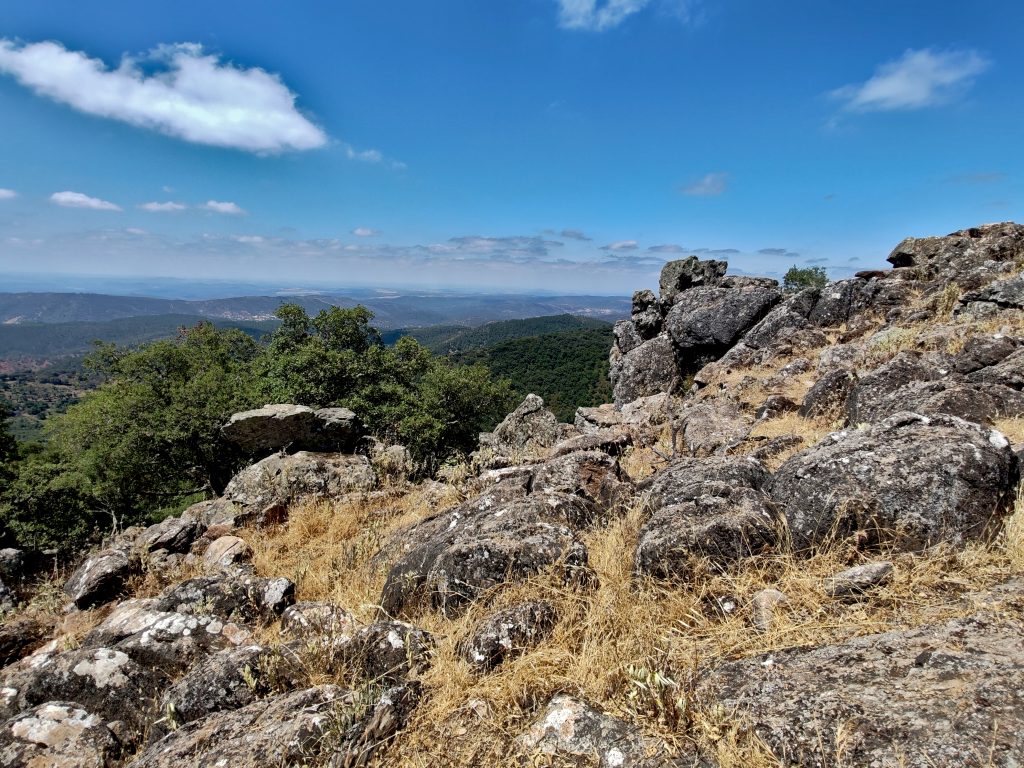
What is a field trip?
Geological storytelling
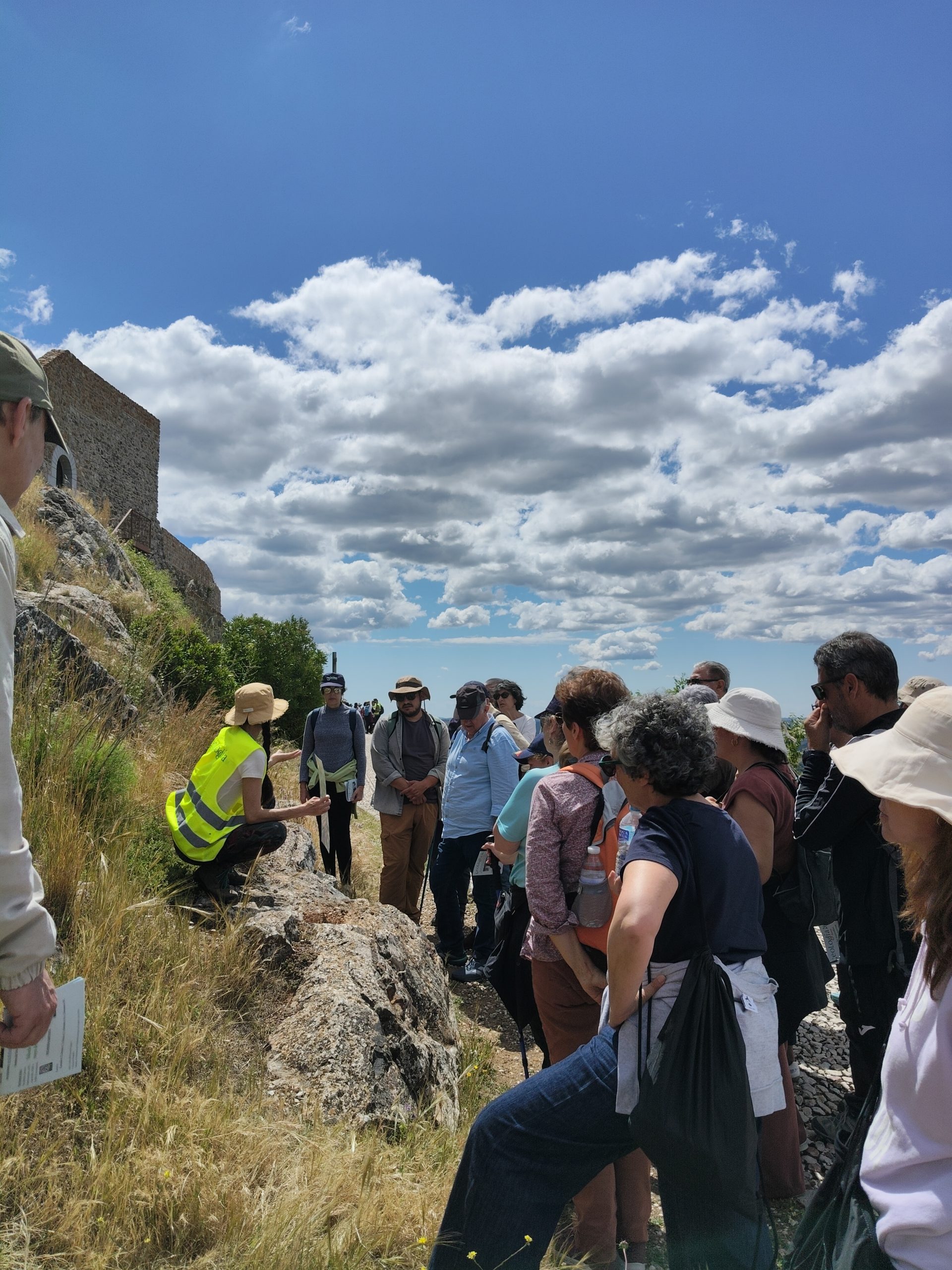
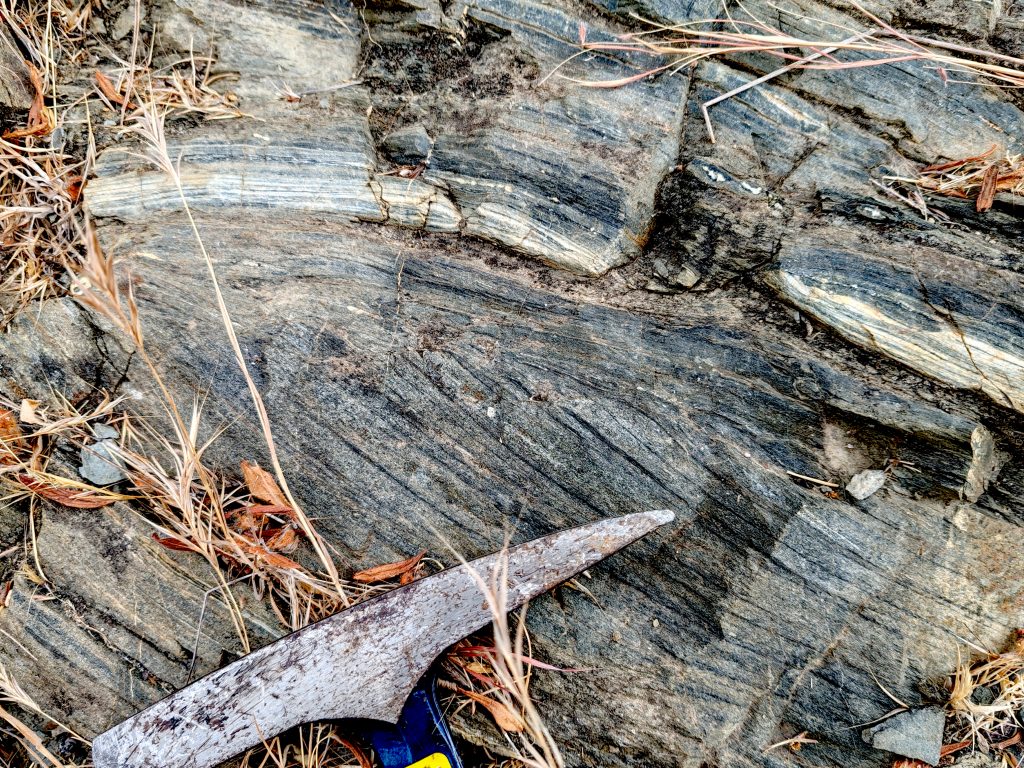
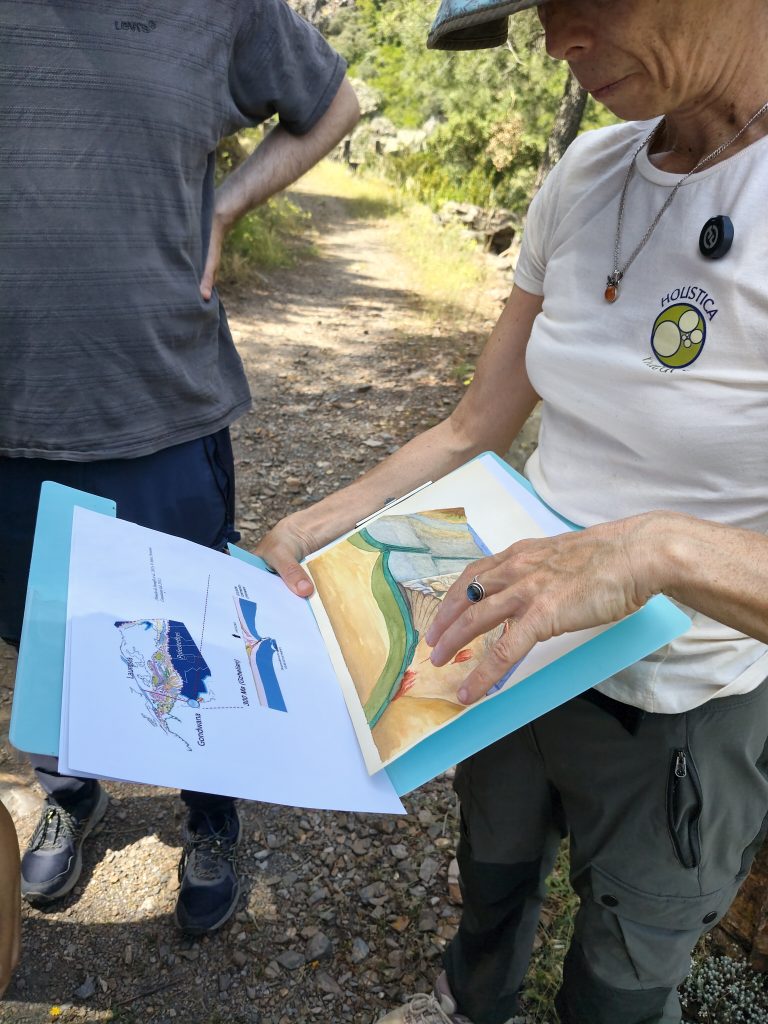
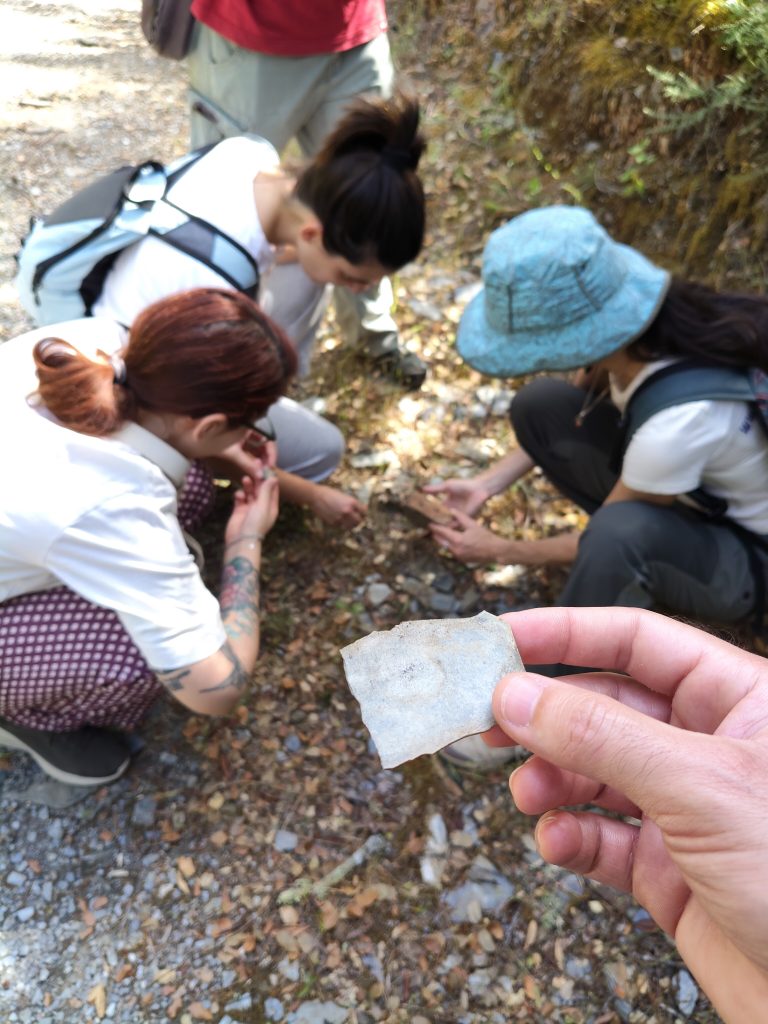
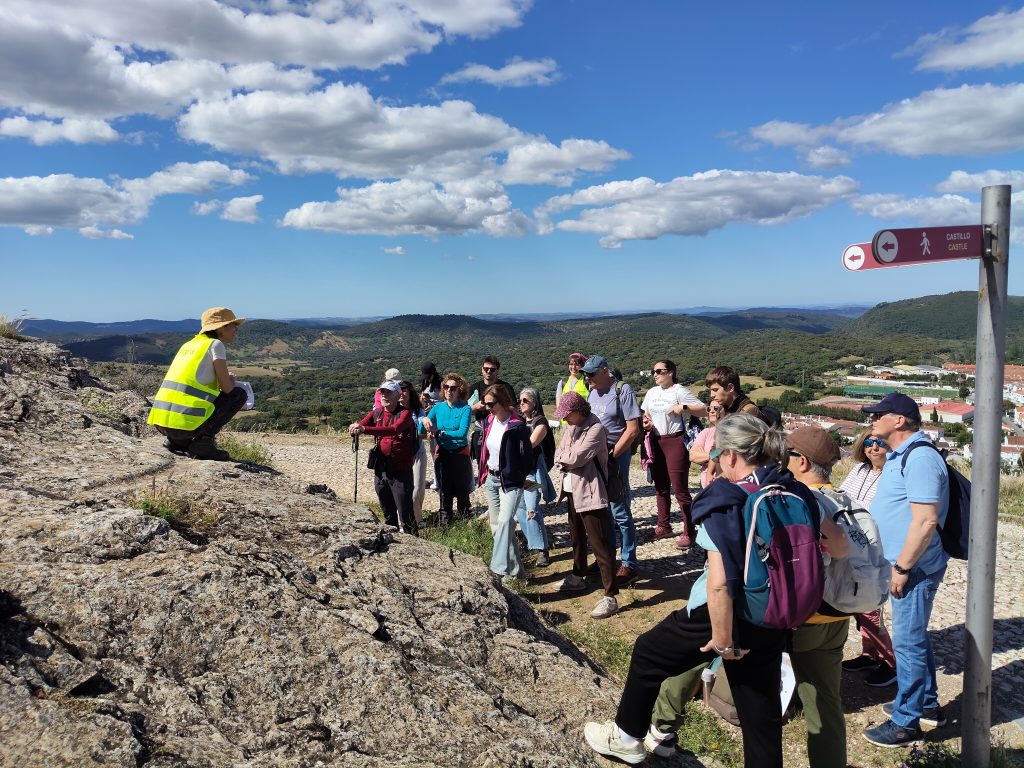
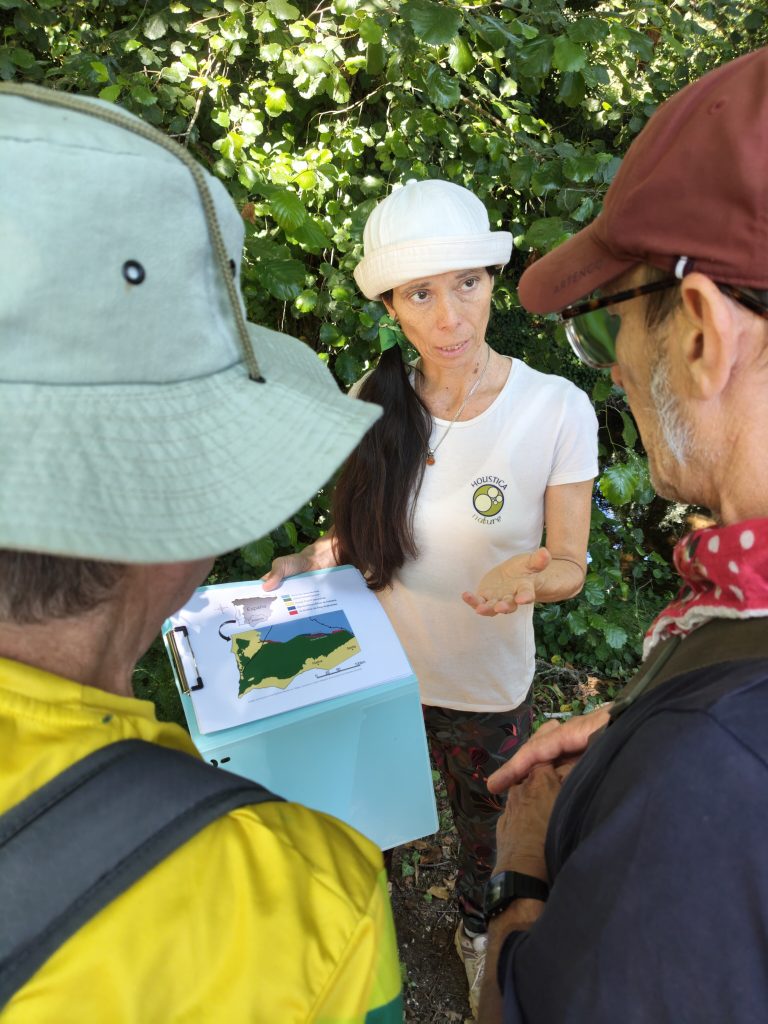
Every trip is a guided reading of a real place, viewed entirely through a geological lens. We visit the outcrop and build an interpretation that carries us from the local to the global.
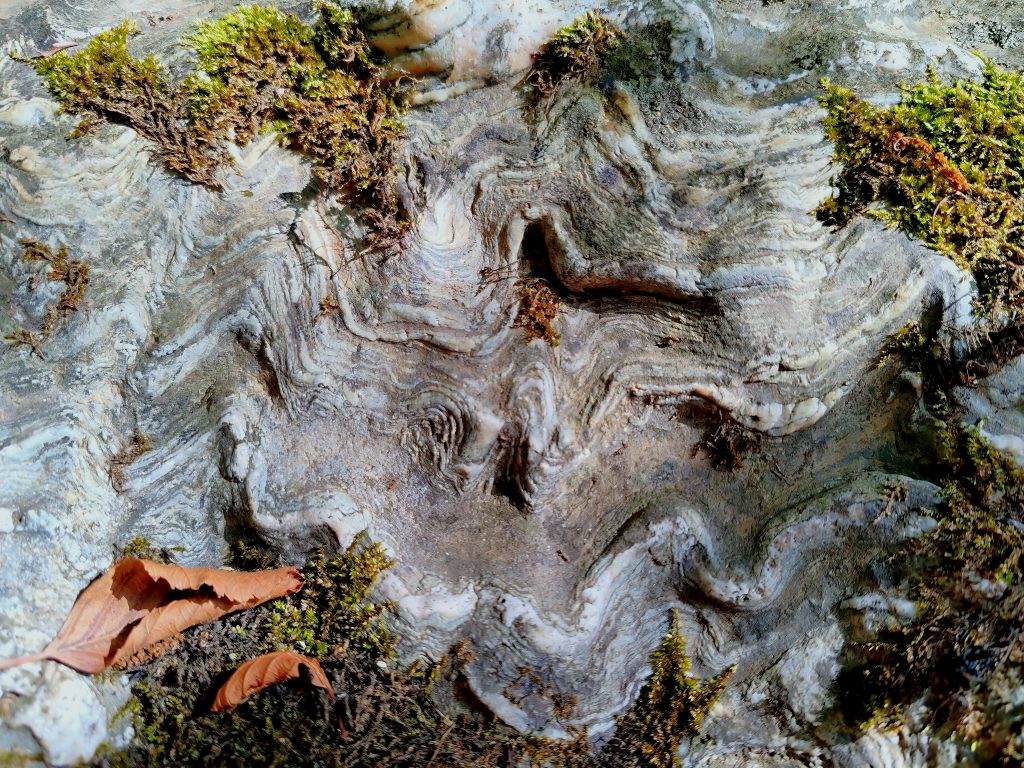
We learn how the rocks and the shaping of the landscape have influenced local culture. We look at whichever aspects of the outcrop are most geologically relevant — mineralogy, petrology, structural geology, economic geology and so on — and use them to shed light on the wider regional context. We connect with deep time, setting this landscape within a broader palaeogeographic picture.
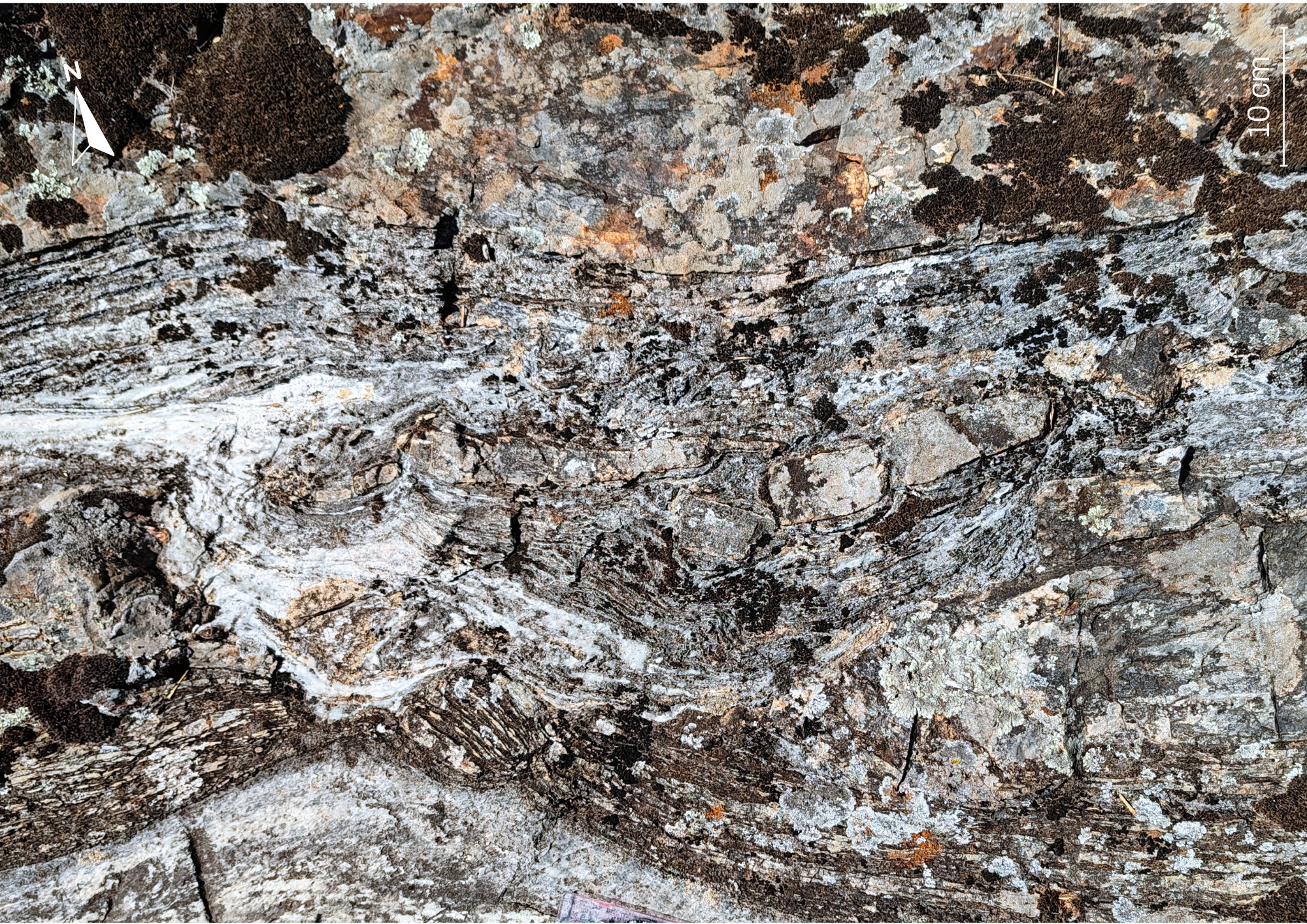
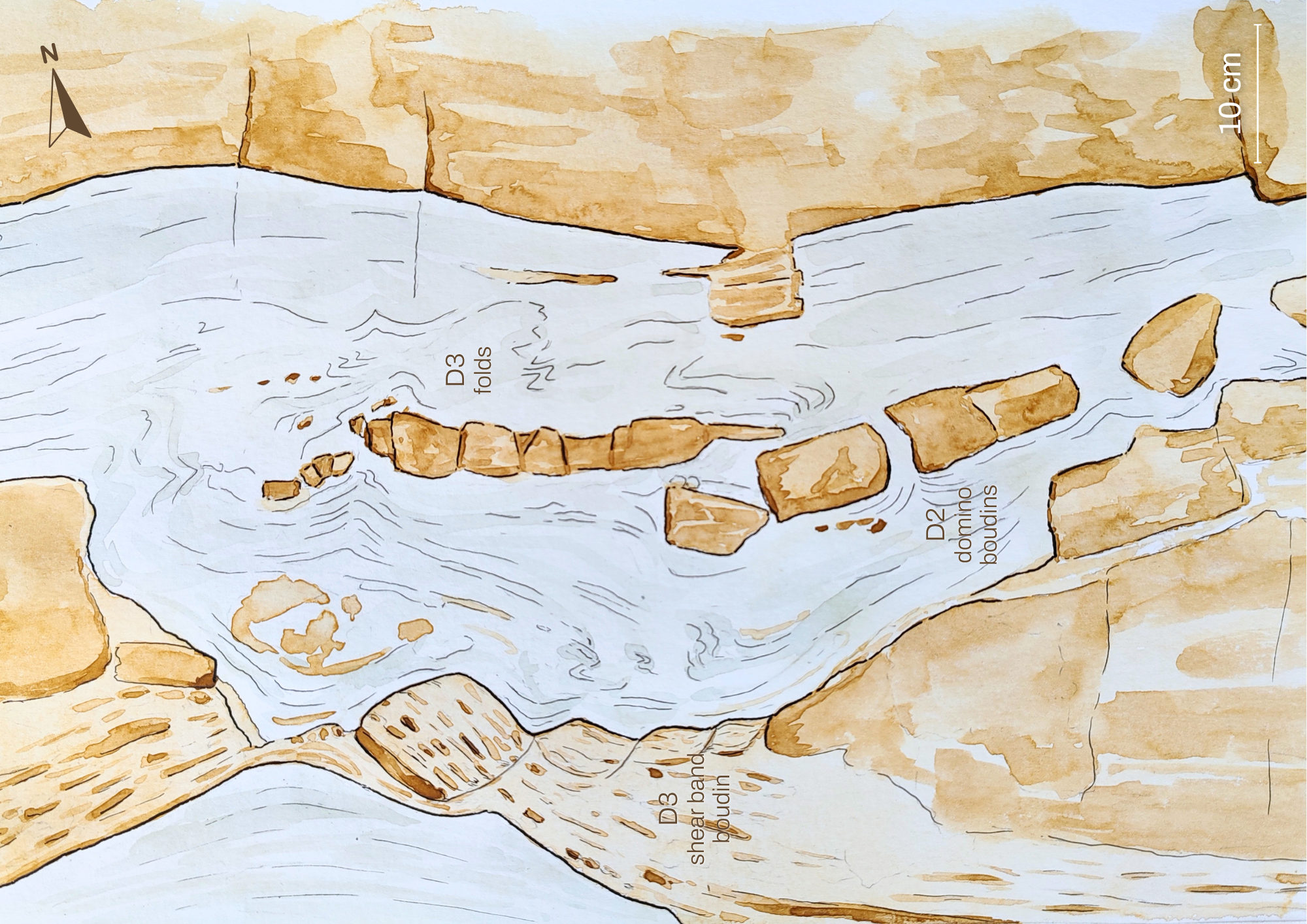
We also offer the option to incorporate 'Geo-Sketch', or illustration, as a way of learning, of observing detail, and of describing the outcrop.
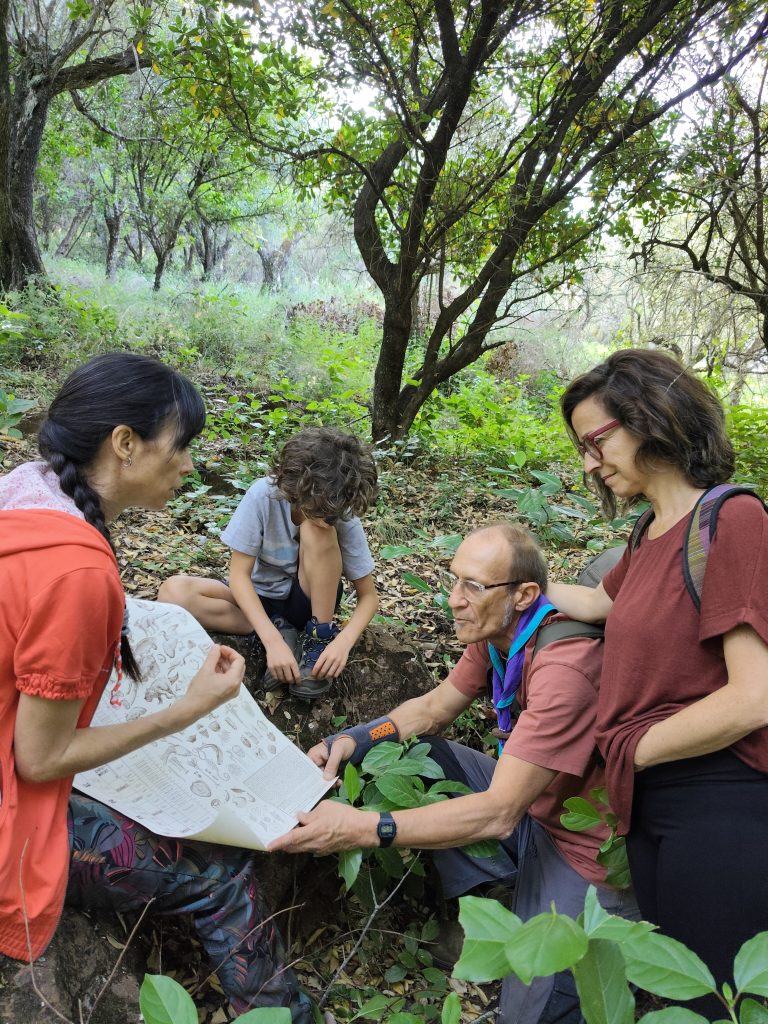
We adapt to the group’s level: University field trips (undergraduate to postgraduate, tailored to your syllabus) Geological societies and serious enthusiasts (rigorous yet welcoming) · Continuing Professional Development, CPD (refresher courses for geoscientists and teachers) · Drawing and Nature Journaling groups (geology through observation and drawing).
Geological illustration
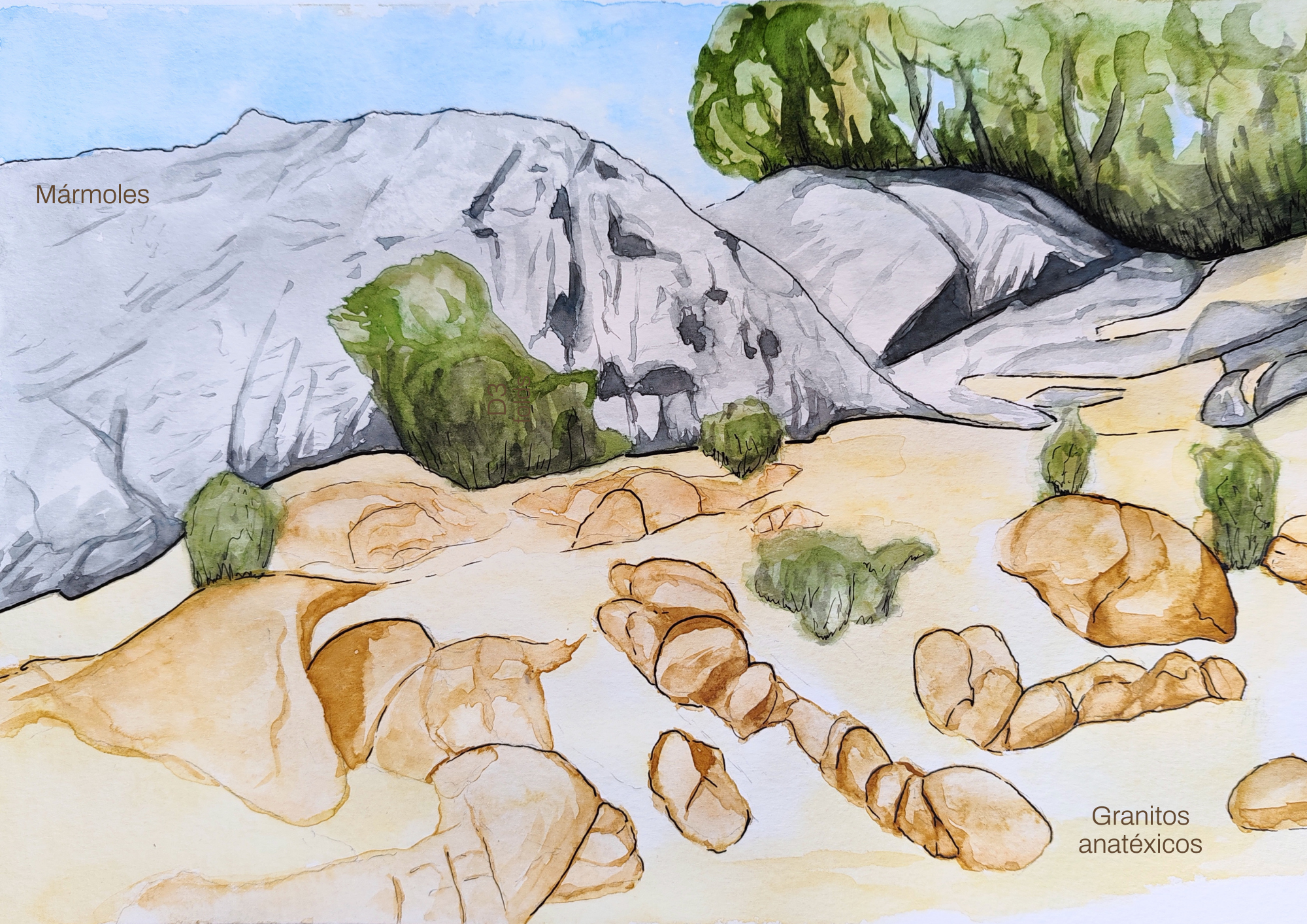
Why here?
One of Iberia's great geological corners
The Sierra de Aracena y Picos de Aroche sits in the Ossa-Morena Zone, right against the suture with the South Portuguese Zone, where one of the world's largest concentrations of massive sulphides is found.
Rocks of Precambrian and Lower Cambrian age are found throughout the region, later metamorphosed and deformed during the Variscan orogeny. Of particular interest is the high-temperature metamorphic belt, where we find remnants of the ancient Rheic Ocean and evidence of the collision between the ancient Armorica and Avalonia terranes.
There are also sites of note for their beauty, such as the Gruta de las Maravillas or Peña de Arias Montano; sites of cultural interest, such as the Riotinto mines; and sites of scientific interest, such as the Río Tinto, studied as a terrestrial analogue for Mars.
The district is at the heart of the aspiring UNESCO Global Geopark Iberia/Ibéria (Huelva–Val do Guadiana), a cross-border Spain–Portugal candidacy.
To visit now is to get to know a landscape just as it takes centre stage on the international geological heritage scene.
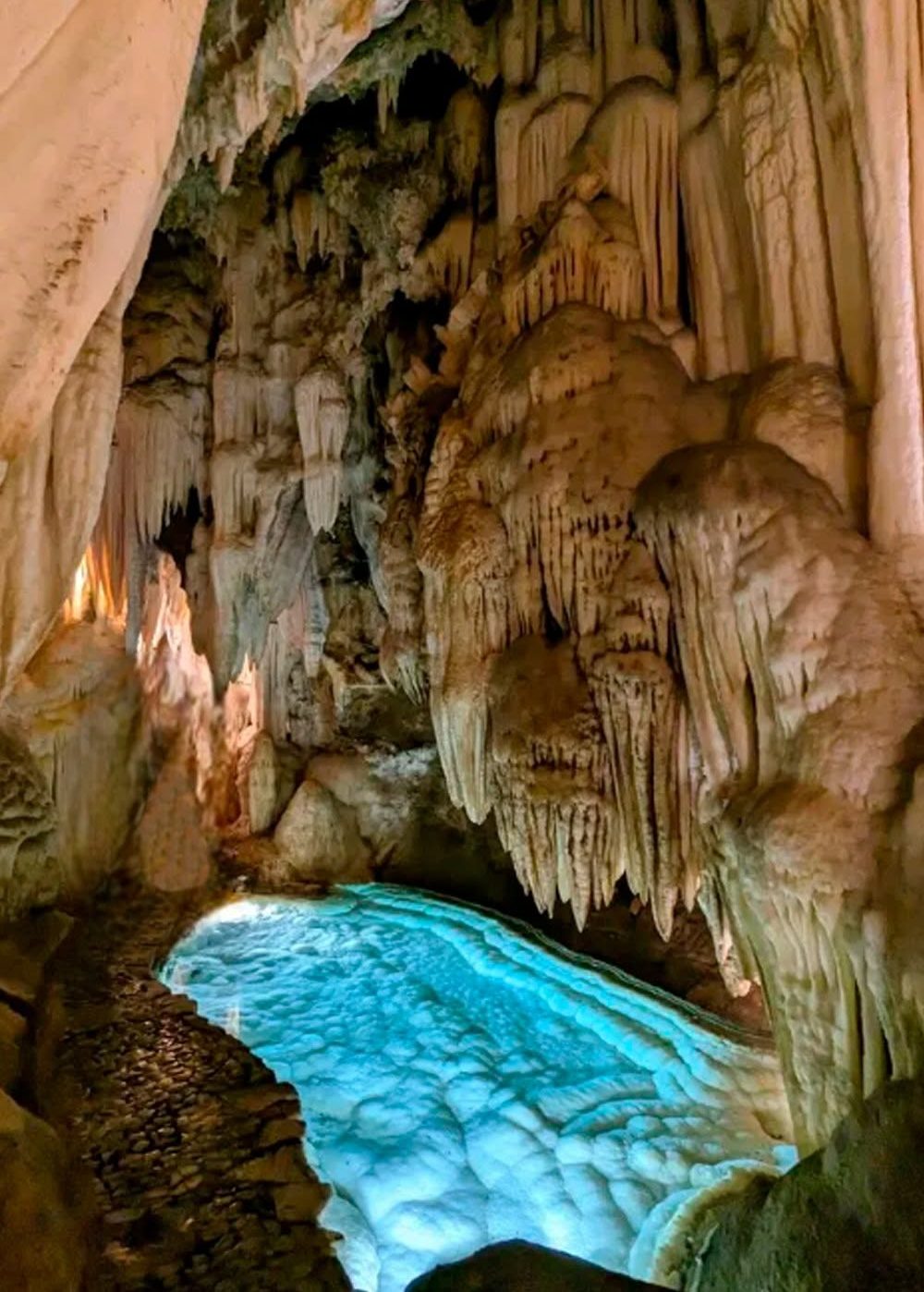
The charms of the Landscape
Beyond the Rock
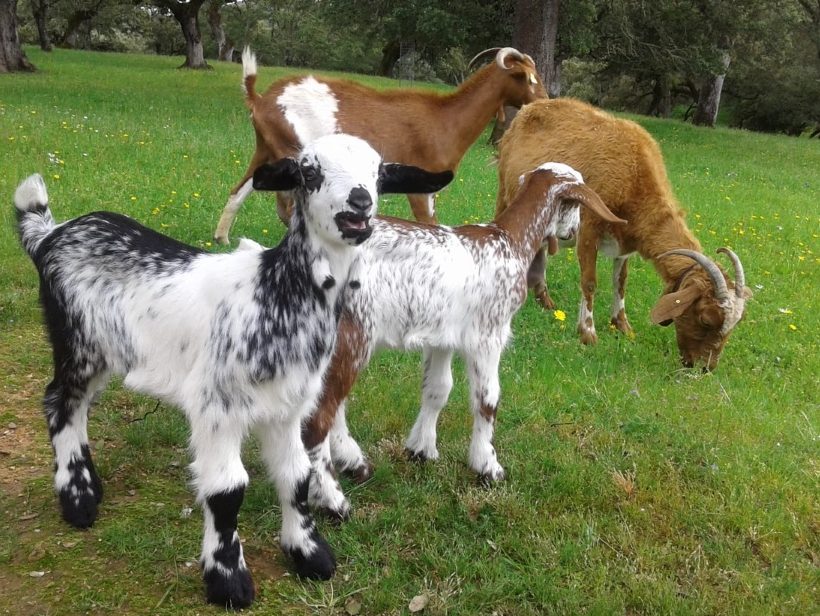
Goats at the Montefrío Farm
The rock and the landscape take centre stage on every trip. But the day doesn't end there. To get to know the landscape is to understand that rock becomes soil, that soil turns into trees and vegetation, and that these in turn nourish animals and give rise to communities with a unique cultural history. Geology doesn't end with the rock, either. We come to know it through the villages that shape the landscape and the food we eat.
The Dehesa and the Ham
Ham from Ibéricos Vázquez
The Iberian pig, the holm oak and the acorn form an agro-silvo-pastoral system that exists thanks to the substrate, the soil and the climate — applied geology that you can eat. You'll visit the Jabugo PDO region: acorn-fed ham is not a souvenir — it is the end product of a landscape. A tasting, well told, is the sensory culmination of a lesson in landscape, not just another gastronomic stop.
Culture and Heritage
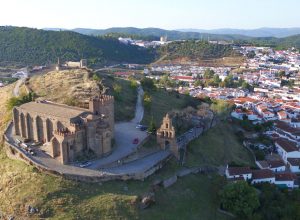
Aracena Castle. Photo courtesy of diphuelva.es
Remains dating back to the Palaeolithic, megalithic dolmens, medieval castles crowning almost every village, and so on, demonstrate the cultural richness embedded in the geology. People built their houses with local stone, adapted their villages to the course of the rivers and learnt how to make the most of the land. Reading the culture is the human chapter of geological history.
Biodiversity
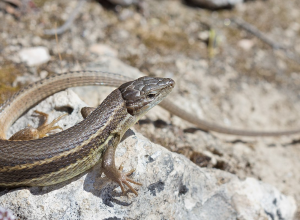
Large Psammodromus
Holm oaks, chestnut trees, cork oaks, rockroses, lichens, orchids, birds, reptiles, amphibians… the Sierra's biodiversity is a living reflection of its geology and climate. It adds a dimension that enriches any geology trip, and takes centre stage for drawing and Nature Journaling groups and enthusiasts. Life represents the fruit of millions of years of prior geological processes.
Optional experiences that can be incorporated into any day trip or multi-day programme and tailored to the group's level and interests. Science remains the main focus; the landscape and its surroundings enrich the experience.
Who is it for?
We adapt to your needs
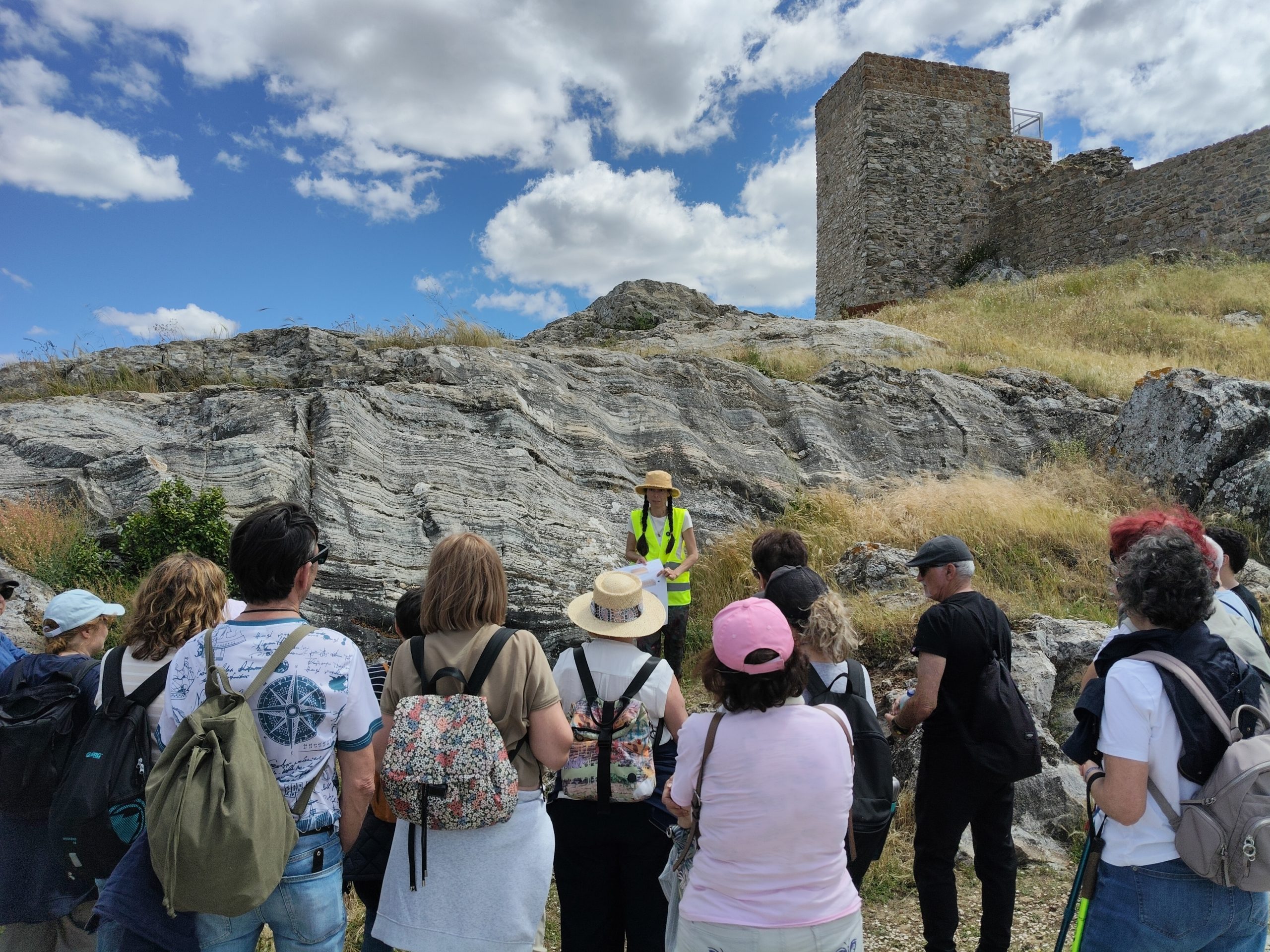
- Universities and Earth Sciences departments
- Geological societies and clubs
- Specialist tour operators (geology and nature)
- Continuing Professional Development (CPD) groups
- Field sketching and Nature Journaling communities.
How it works
You bring the group. I organise and carry out the geological interpretation.
1) Tell me what the group is like — who they are, their level, dates, how many, what they want to see.
2) I design the trip — a tailor-made route with places of interest and clear learning objectives. We can include a geological or nature field-notebook workshop, as well as guided visits to sites of cultural interest, on request.
3) We’ll do it — a full day, guided by a geologist with a PhD, in Spanish or English.
4) Logistics, optional We can include accommodation in the Sierra and coach transfers in the quote. Depending on the type of trip chosen, we can offer one-day or multi-day trips taking in the sites of interest within the Iberia Geopark Project.
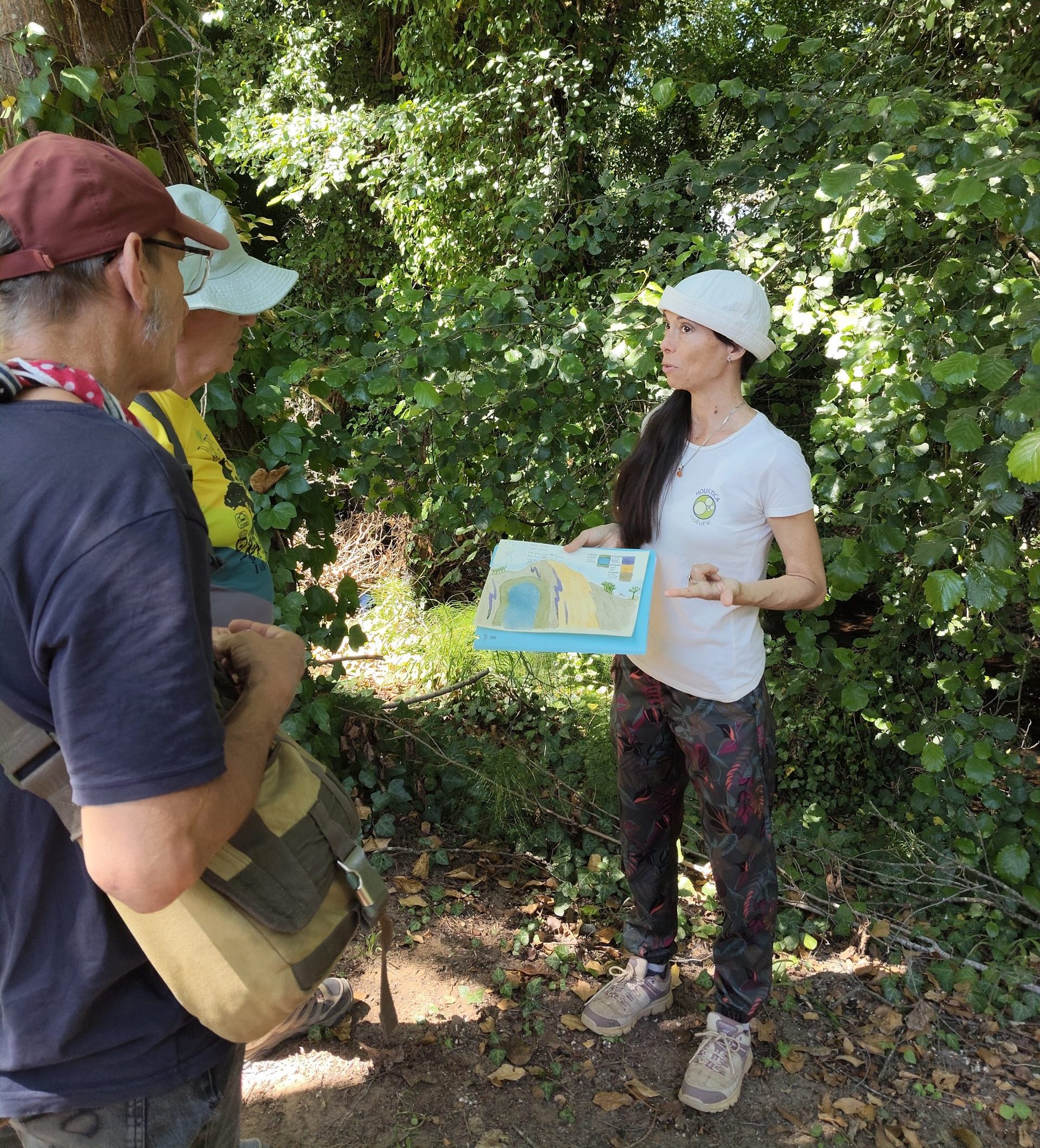
Sample itinerary
Cerro del Castillo in Aracena (1 day)
The marble of the hill, the Gruta de las Maravillas and the Geomuseum tell a story spanning over 500 million years.
Sierra de Aracena and Mining Basin (3 days)
Riotinto, mining and the river, the suture and the remnants of the Rheic Ocean, and the Ossa-Morena outcrops.