The Sierra de Aracena and Picos de Aroche Natural Park is a protected area (since 18 July 1989) in the north of the province of Huelva, on the western edge of the Sierra Morena (Andalusia, Spain). It is notable for its extensive woodland (holm oaks, cork oaks, chestnut groves and riverside forests), high rainfall, cultural heritage (castles, archaeological sites, Jabugo ham and local traditions), over 600 km of footpaths, and activities and attractions such as the Gruta de las Maravillas.
- AREA: 186,827 hectares, covering 28 municipalities, including Aracena (the park’s capital), Alájar, Almonaster la Real, Galaroza, Cortegana, Jabugo, etc., amongst others. Approximate population of 41,000.
- LOCATION: It borders the province of Badajoz to the north, Portugal to the west, the Andévalo and the Cuenca Minera to the south, and the province of Seville to the east. It forms part of the Dehesas de Sierra Morena Biosphere Reserve, together with the Sierra Norte de Sevilla and Hornachuelos (Córdoba) Natural Parks.
- GEOLOGY: High geodiversity, with rocks unique in the world that explain much of the geology of the Iberian Peninsula and Europe. We find slates and quartzites, which give the landscape a rolling character with gentle slopes; marbles such as that found in the Gruta de las Maravillas in Aracena; travertines such as those at the Peña de Arias Montano; granites such as those in the Peñas de Aroche batholith; and amphibolites at Almonaster la Real. There are also metal veins, with a history of mining at Minas de Cala and the Teuler Mining District
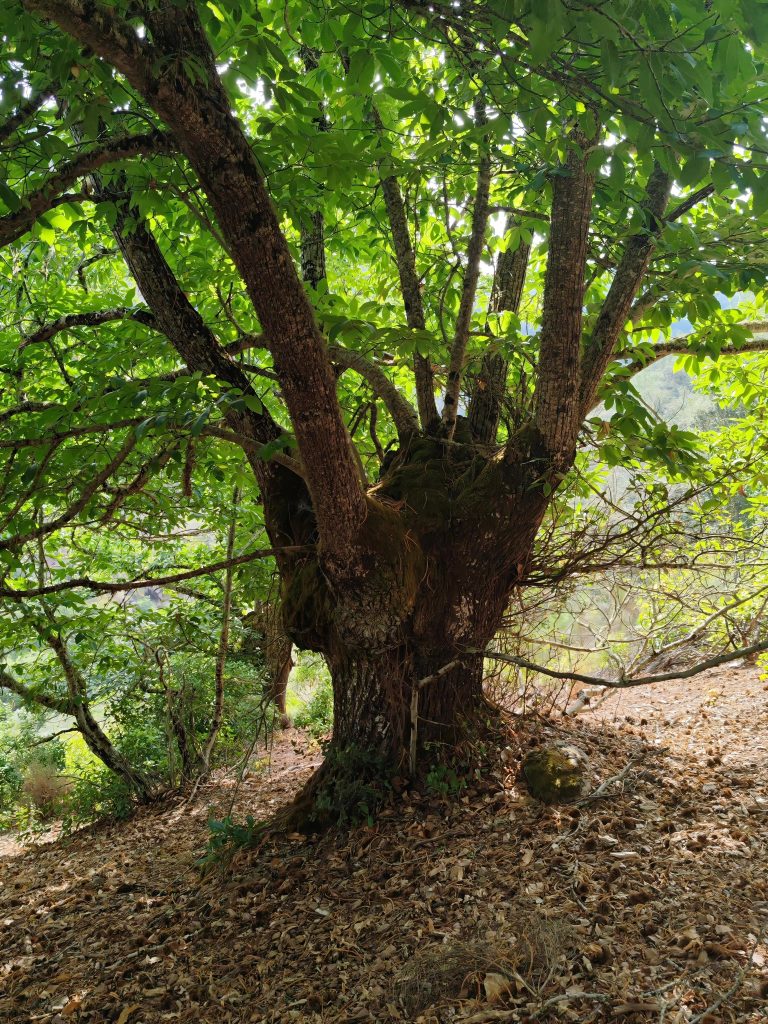
- FLORA: The landscape is dominated by pastures of holm oaks, cork oaks and gall oaks, with chestnut groves (2.75% of the total area) in the central zone, black pine forests and some stands of Andalusian gall oak and Pyrenean oak. A large number of Mediterranean, aromatic and endemic plants are found here
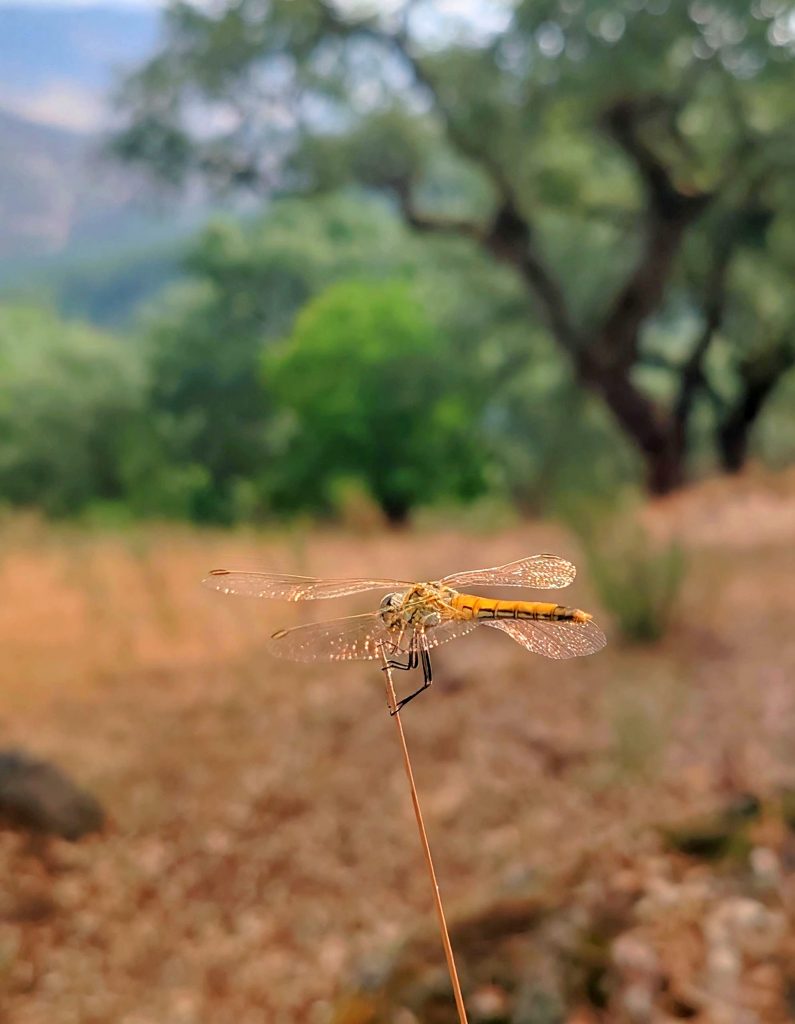
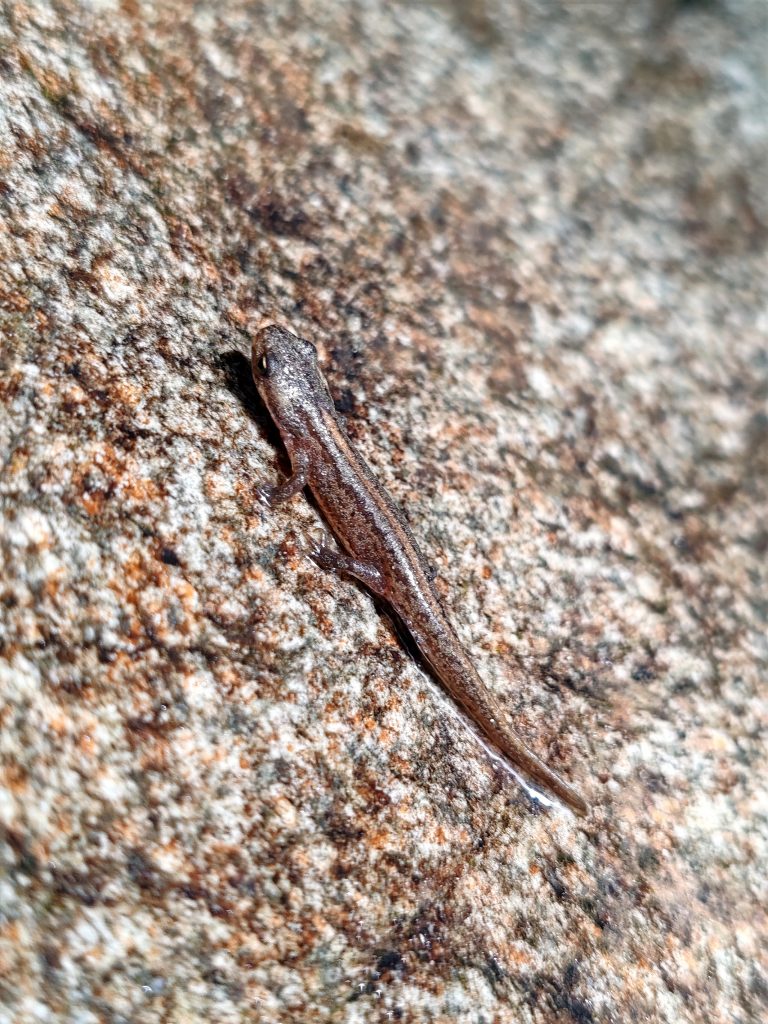
- FAUNA: Notable species include the otter, mongoose, black stork, black vulture, griffon vulture, booted eagle, osprey, eagle owl, lesser kestrel and possible sightings of the Iberian lynx. There is also a wide variety of fish, amphibians and reptiles.
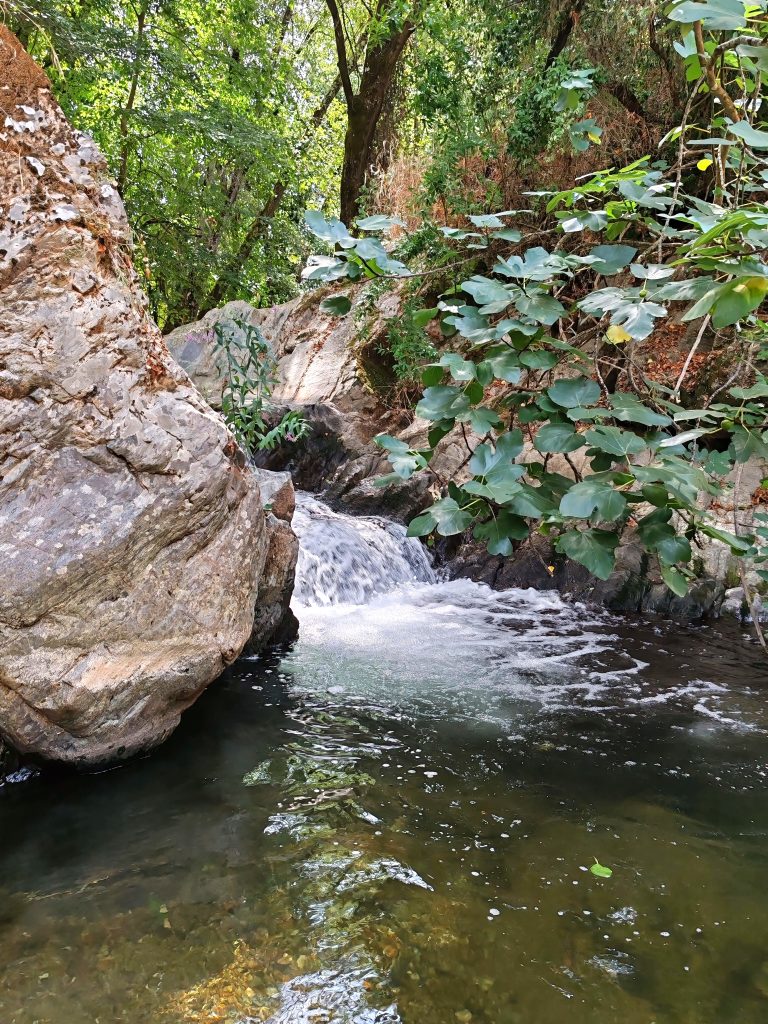
- WEATHER: High rainfall (among the highest in Andalusia), with a mild climate influenced by the humid winds from the Atlantic, which keeps the landscape green all year round.
- CULTURAL HERITAGE (According to the Andalusian Regional Government’s website):
- Gastronomy: Famous for its acorn-fed Iberian ham (DO Jabugo), cured meats, mushrooms, goat’s cheese, game and chestnut or sour cherry liqueurs. The Mycological Festival (November) and the Regional Ham Fair (October) are key events.
- Archaeological heritage: More than 200 archaeological sites, including the dolmens of the Sierra de Aracena (a Site of Cultural Interest) and the archaeological sites at Santa Eulalia, El Castañuelo and La Ladrillera
- Defensive heritage: Castles in Almonaster la Real, Aracena, Aroche, Cortegana, Cumbres Mayores and elsewhere, listed in the European Cultural Heritage Inventory.
- NATURAL ATTRACTIONS:
- Gruta de las Maravillas (Aracena): A limestone cave of geological interest and great beauty
- Peña de Arias Montano (Alájar): A natural and cultural viewpoint of hydrogeological interest
- Mount Bonales: The highest point in Huelva, in Arroyomolinos de León.
- ACKNOWLEDGEMENTS: A signatory to the European Charter for Sustainable Tourism, it forms part of the Natura 2000 network (Special Area of Conservation and Special Protection Area for Birds).