Iberia Geopark is a cross-border project currently under development powered by GEOTRANS which is seeking designation as a UNESCO Global Geopark by promoting geotourism and sustainability. In June 2025, municipalities in the province of Huelva (Spain) and the Portuguese towns of Barrancos, Mértola, Moura and Serpa signed a Memorandum of European Grouping of Territorial Cooperation taking another step towards its candidacy. This project has been spearheaded by the Huelva Provincial Council, the University of Huelva and the Portuguese municipalities, featuring international experts in geology and sustainable development. It draws inspiration from geoparks such as Cabo de Gata-Níjar (Spain), Novohrad-Nograd (Slovakia-Hungary) and Seridó (Brazil). All these factors make it a pioneering project due to its cross-border nature, bringing Spain and Portugal together to highlight the region’s geological, heritage and cultural value, with a focus on rural development and sustainability.
- LOCATION: It encompasses the Sierra de Aracena and Picos de Aroche, part of the Mining Basin in Huelva, Spain, and the Portuguese municipalities of Barrancos, Mértola, Moura and Serpa. It is situated on the western edge of the Sierra Morena and the Lower Alentejo, on the Spanish–Portuguese border.
- AREA: Not specified in detail, but includes areas within the aforementioned regions, with a focus on cross-border geological heritage.
- OBJECTIVE: To promote sustainable development by showcasing the geological, cultural and social heritage, bringing together science, tourism and the local community. It aims to become an international benchmark as a UNESCO Global Geopark.
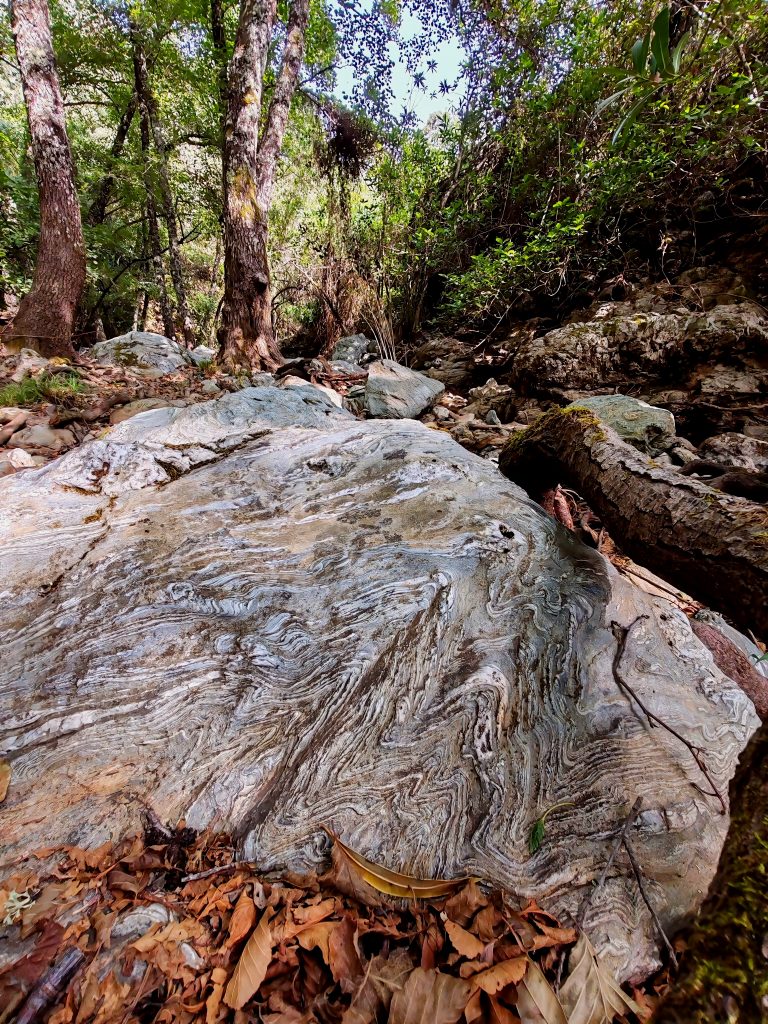
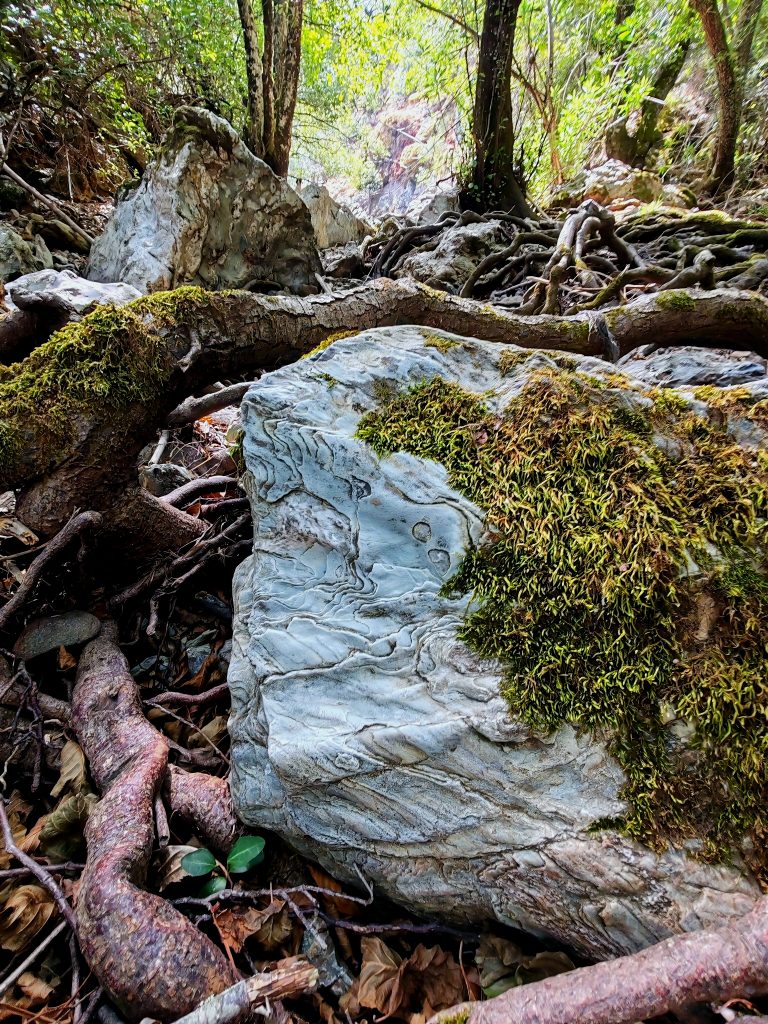
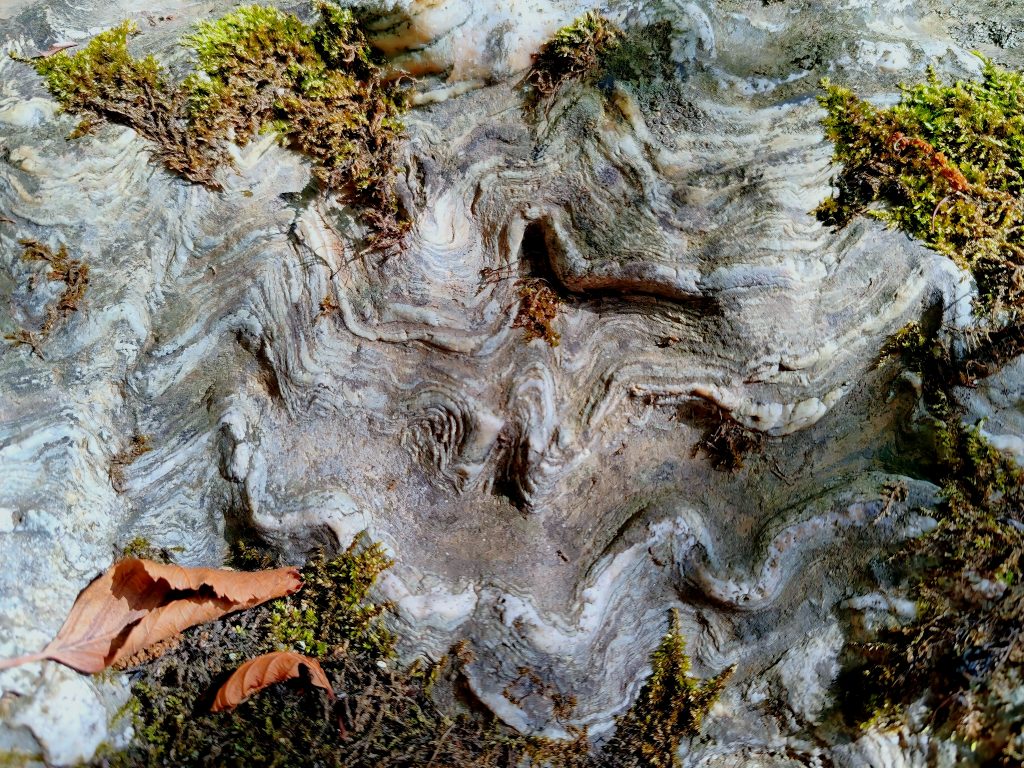
- GEOLOGY: A region of great geological richness, featuring rocks that are unique in the world and which explain much of the geology of the Iberian Peninsula and Europe. Of particular note is the Iberian Pyrite Belt, the world’s largest accumulation of sulphides, as well as other metamorphic rocks, metal veins and structures associated with the Variscan Orogeny. We find schists and quartzites, which give the landscape a rolling character with gentle slopes; marbles such as those found in the Gruta de las Maravillas in Aracena; travertines such as those at Peña de Arias Montano; granites such as those in the Peñas de Aroche batholith; and amphibolites in Almonaster la Real. There are also metal veins, with a history of mining at Minas de Cala and the Teuler Mining District.
- CULTURAL HERITAGE:
- Spain: Archaeological sites, such as those in the Mining Basin, and cultural traditions, such as Jabugo Iberian ham (DO Jabugo).
- Portugal: Mining heritage at the Santo Domingo Mines (Mértola) and Alentejo traditions, such as cuisine and folklore.
- NATURAL HERITAGE: Pastures of holm oaks and cork oaks, diverse wildlife, botanical diversity, mushrooms and landscapes shaped by mining activity and erosion.
- ACTIVITIES:
- Geological and mining trails (for example, at the Riotinto Mine or the Santo Domingo Mines).
- Educational workshops on geology and sustainability.
- Promotion of geotourism and ecotourism, with a focus on Spanish-Portuguese integration.