© Text and photographs by Dr Helena Chacón
The pioneers of the forest
Less is more is one of the guiding principles championed by lichens, organisms that demonstrate to us the wisdom of millions of years of adaptation and natural balance
Lichens form a whole COVER, a living skin of the forest which we tend to overlook. These unassuming yet essential beings purify the air, conserve water, protect the soil and remind us of the profound interdependence between all living things. They form the link between the abiotic and biotic worlds
WHAT ARE LICHENS?
The lichens are not plants but a lichenised fungus. Science currently recognises them as a symbiotic ecosystem formed between a fungus (usually of the genera Cladonia, Parmelia or Xanthoria), an alga or cyanobacterium (usually of the genera Trebouxia, Trentepholia and Nostoc), bacteria and yeasts. The fungal component (mycobiont) provides structure and protects against desiccation. The plant component – the alga or cyanobacterium (photobiont) – provides food (carbohydrates) to this organism, which has its own physiology and ecology.
IDENTIFICATION
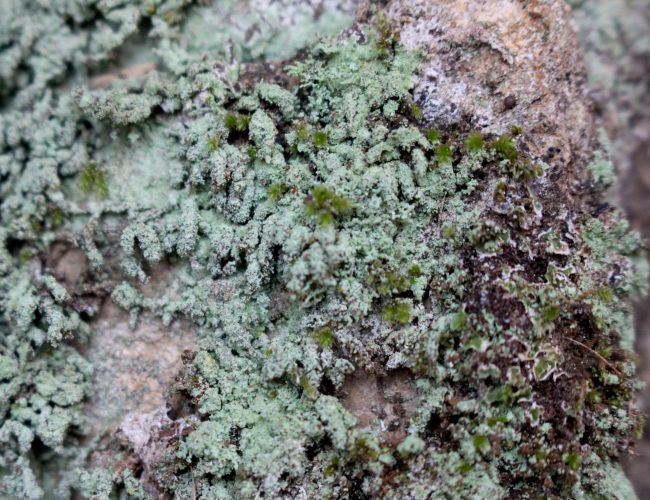
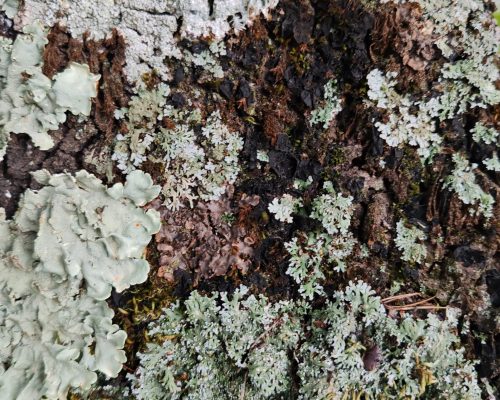
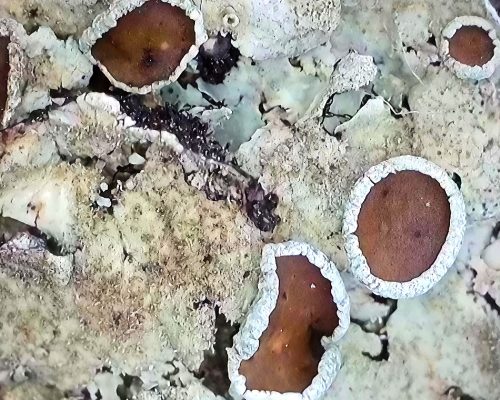
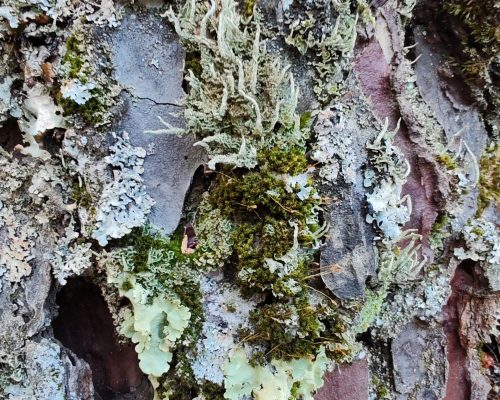
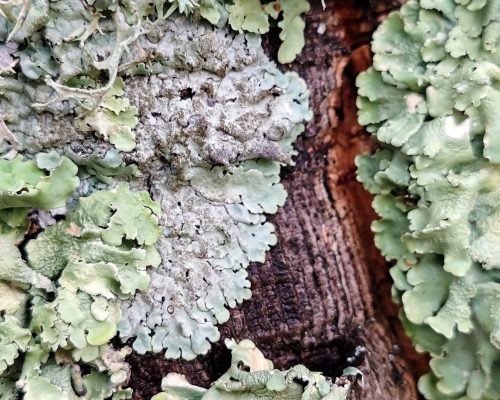
Identifying the type of lichen requires some prior knowledge and, in some cases, is not possible without the use of a microscope and chemical tests. However, sometimes we can recognise easily distinguishable species or at least identify, in broad terms, what type of lichen it is. For example, depending on whether they are attached to the substrate, they are called crustose, if they appear partially attached and have a more or less flat, sheet-like or leaf-like shape, they are known as foliaceous and if they are attached at only one point and the rest of the body hangs down, they are called fruticose.
WHERE CAN WE FIND LICHENS?
We usually find them in all sorts of environments, from cool, damp corners of the forest to polar and desert regions. Some species are even found in urban environments, although others cannot tolerate pollution. Recent studies suggest that they can spend several days in outer space without suffering any harm…
They grow on tree trunks, rocks or in shady spots, and are the first to appear where there is no soil; they are regarded as true pioneers of life on Earth and silent guardians of biodiversity.
KEY QUALITIES
Their major contribution to the ecosystem is that they are the first, alongside atmospheric factors (rain, temperature, etc.), to form soil as they break down the rock slowly. Without them, other small plants would not have enough soil in which to take root and from which to draw nourishment. Furthermore, they prevent erosion and promote permeability.
They are excellent bioindicators. Depending on the species, we can determine levels of air pollution, nitrogen in the soil, pH, rock type and even the age of the forest, as some species are found only in «mature» forests.
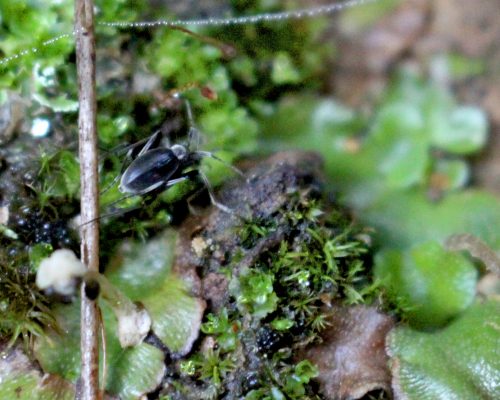
They serve as shelter for small animals such as insects or mites, as well as food for fungi (parasites) and animals such as reindeer, squirrels and mice. Birds use them to build their nests, and some animals, such as beetles and butterflies, use them for camouflage.
Although not sufficiently appreciated, some lichens are edible for humans and have been used as food or medicine in times of famine. The ethnolichenology revives this ancestral knowledge.
And last but not least, lichens provide a scenic value essential to the natural environment. Although we may not realise it, much of the beauty of a forest or a rocky landscape is enhanced by the presence of these creatures.
SPECIMENS FROM THE SIERRA DE ARACENA AND PICOS DE AROCHE
Below are some photos taken in the SIERRA DE ARACENA AND PICOS DE AROCHE NATURAL PARK. We have been able to identify some of the species. Others we haven’t… if you recognise them, please get in touch with us so we can add their identification.
Lobaria pulmonaria. Endangered species. Ascomycota fungus and green alga
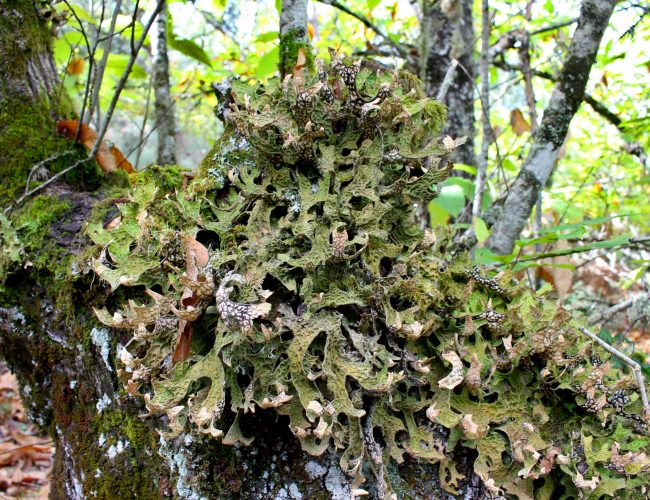
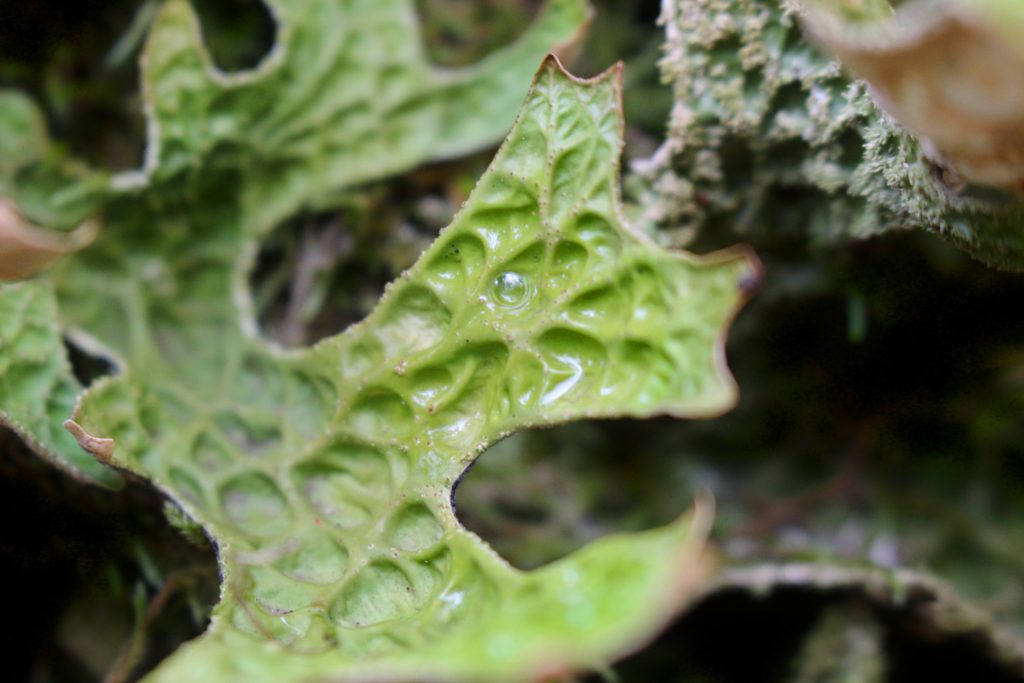
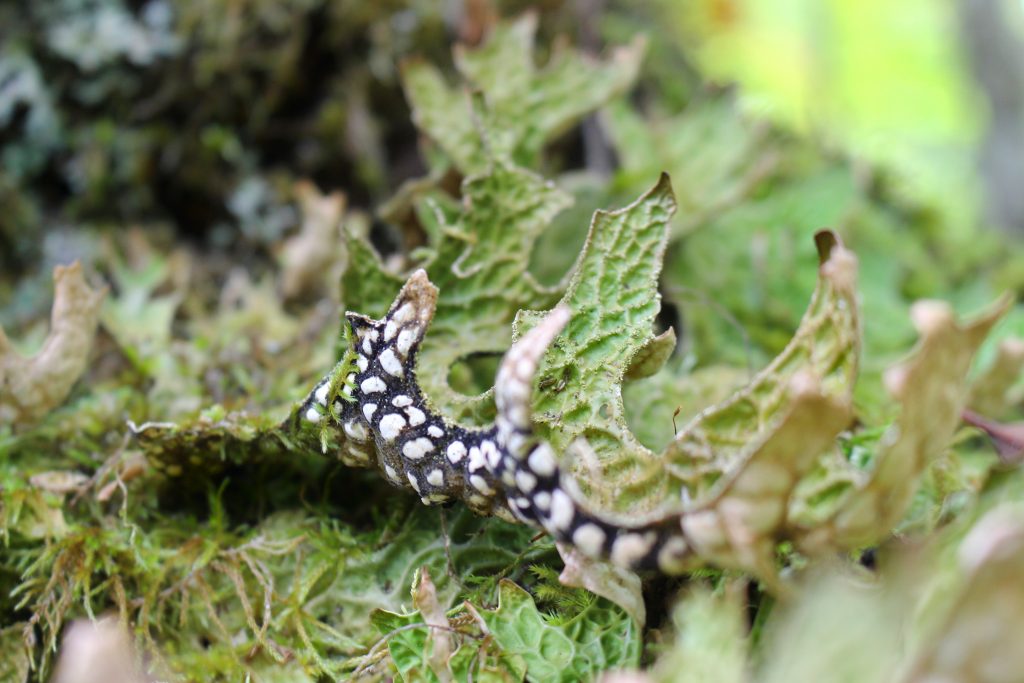
Genus Peltigera. Possibly Peltigera canina. ?
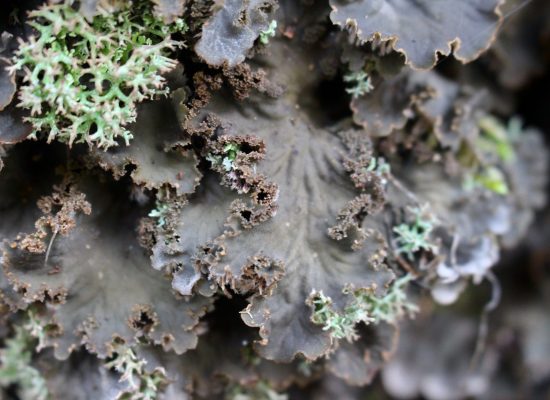
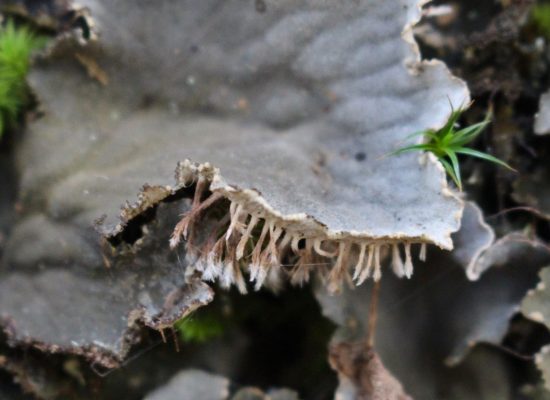
Genus Peltigera. Possibly Peltigera neckeri. ?
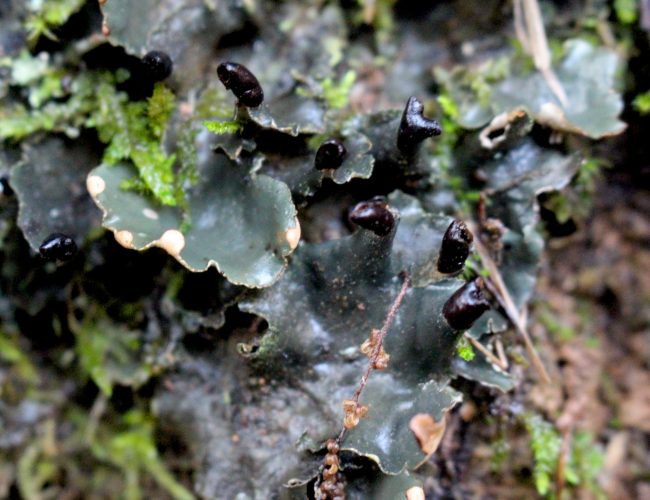
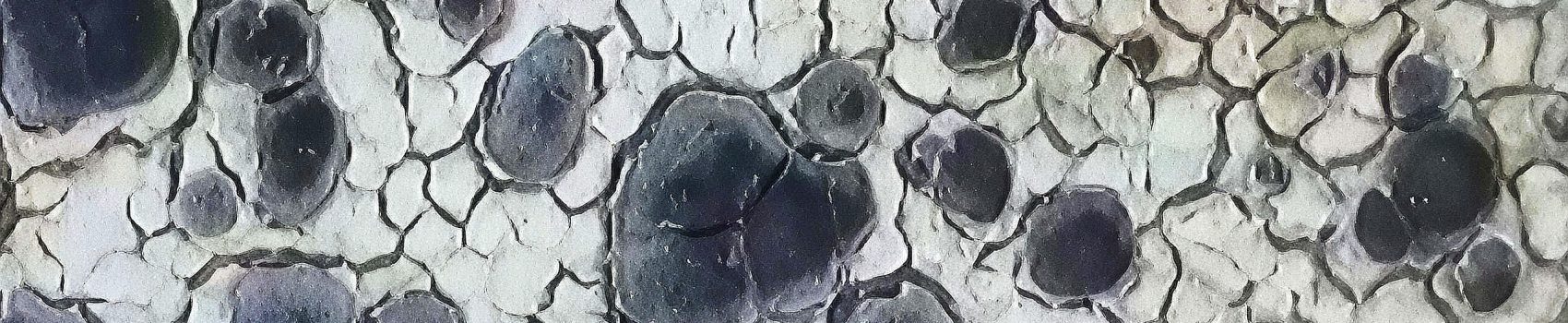
Genus Rhizocarpon sp.
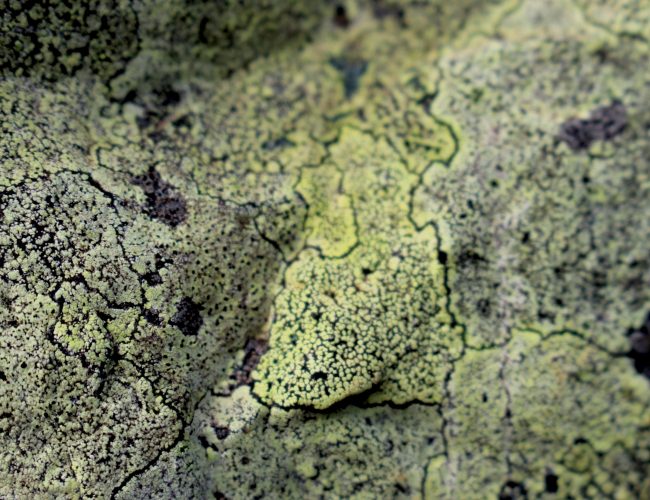
Compound lichen. Possibly Cladonia rangiformis
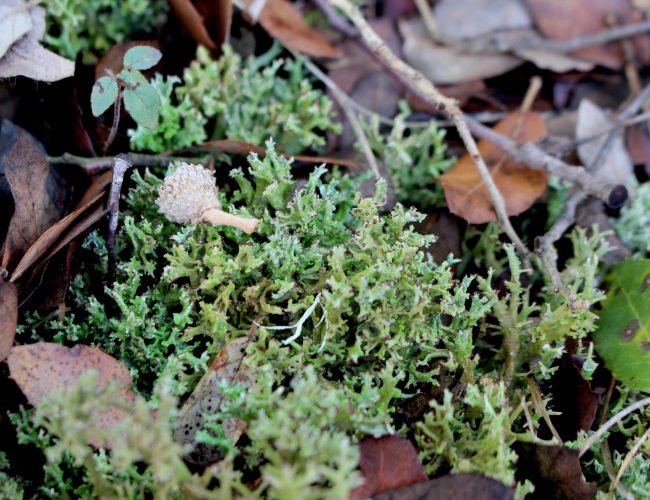
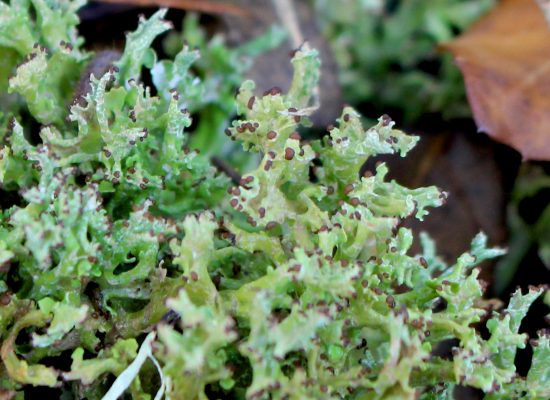
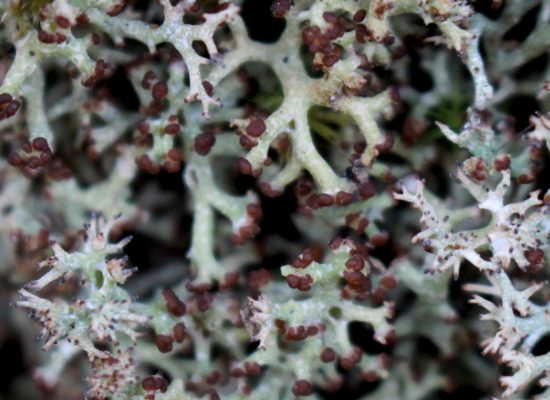
Lasallia pustulata
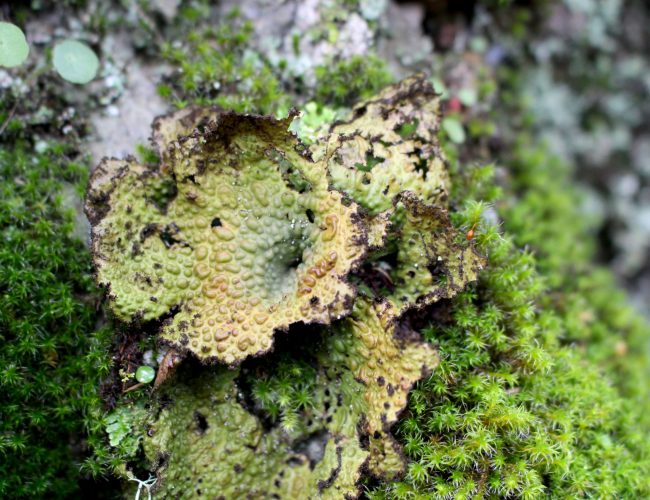
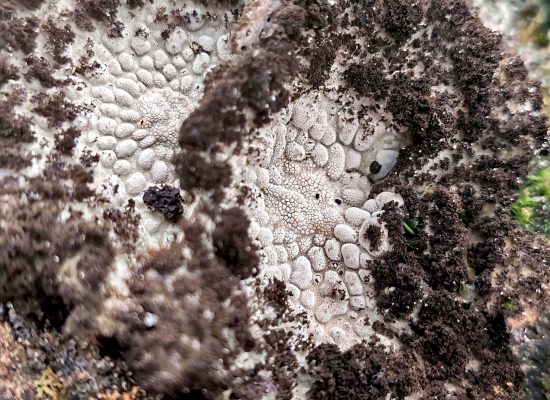
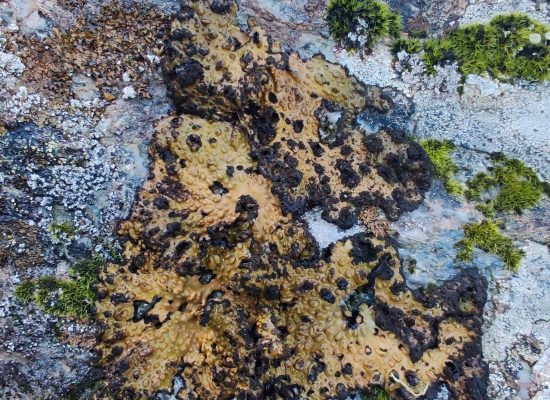
Umbilicaria polyrrhiza
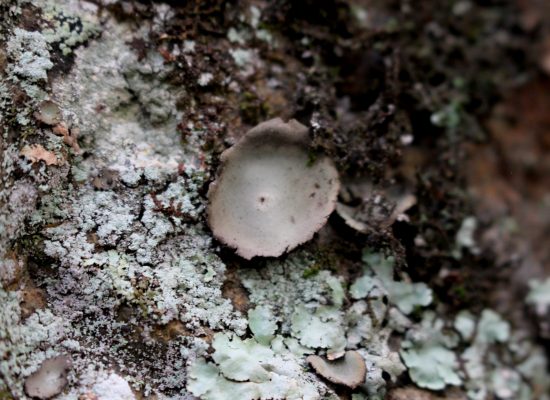
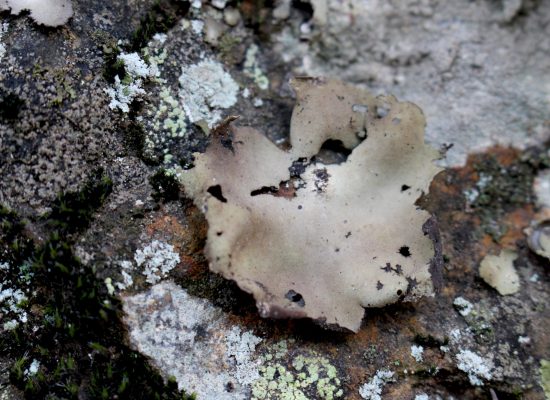
Xanthoria parietina
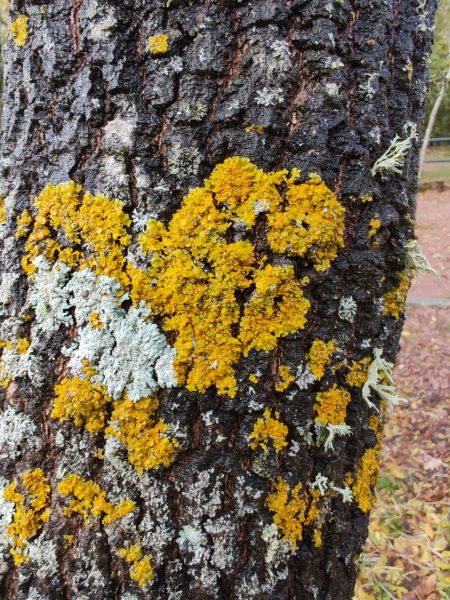
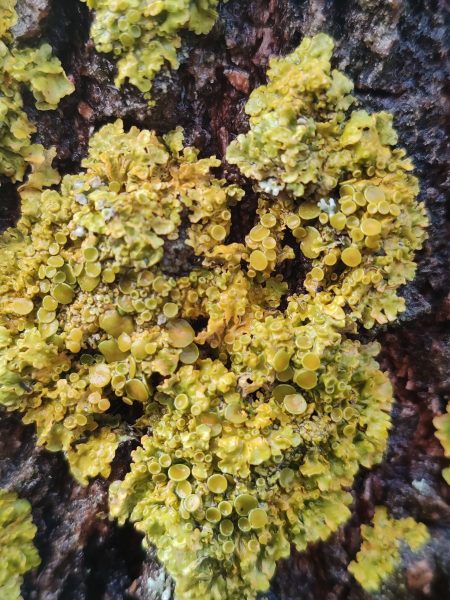
Genus Flavoparmelia. Possibly the species caperata
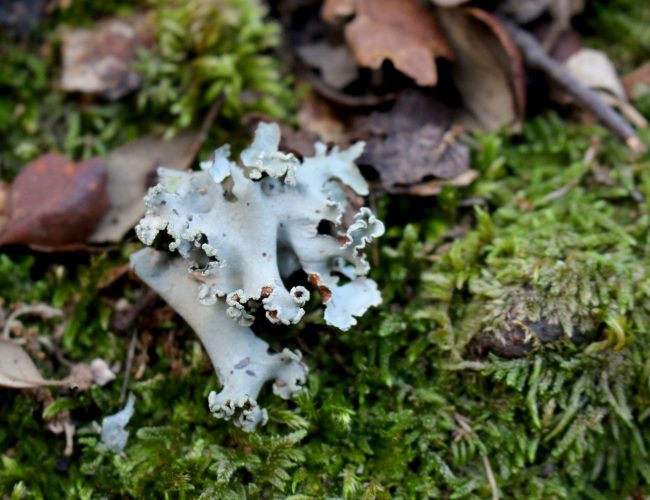
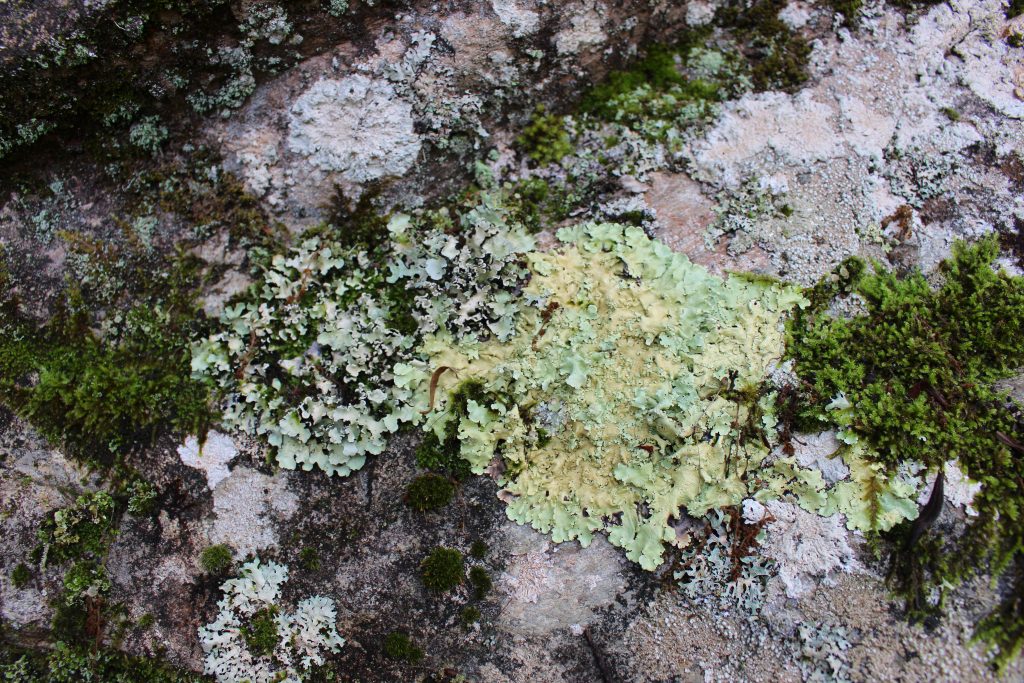
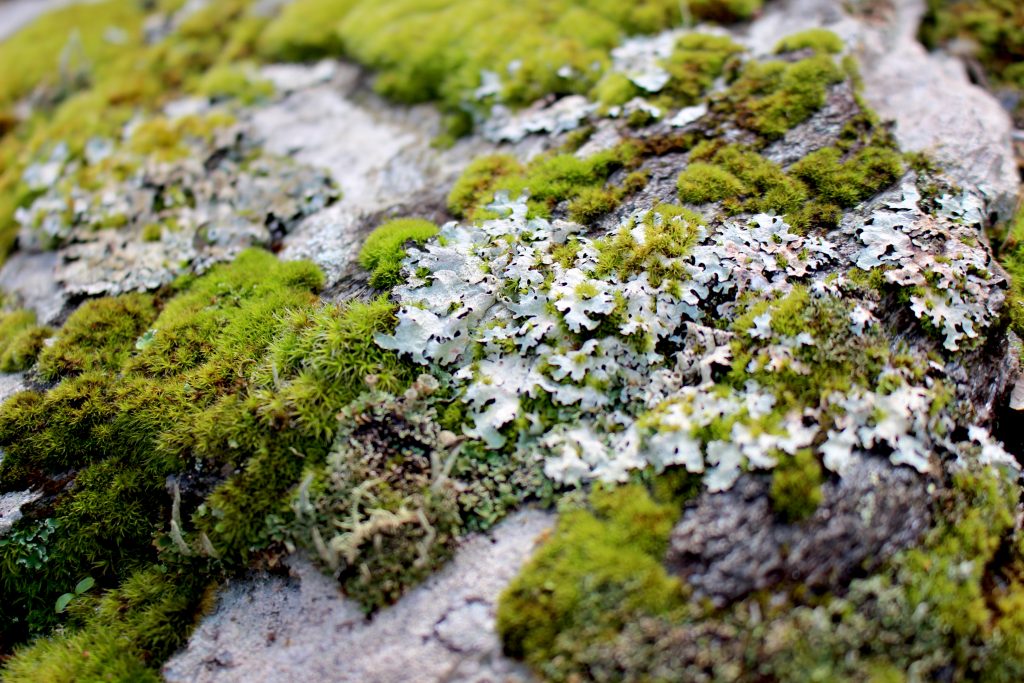
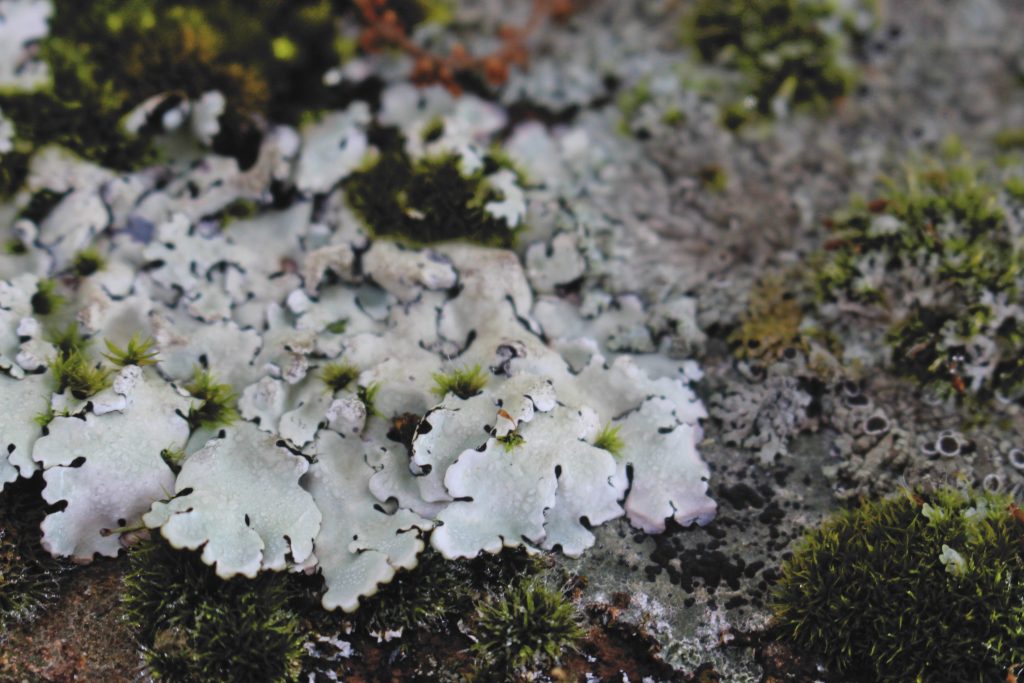
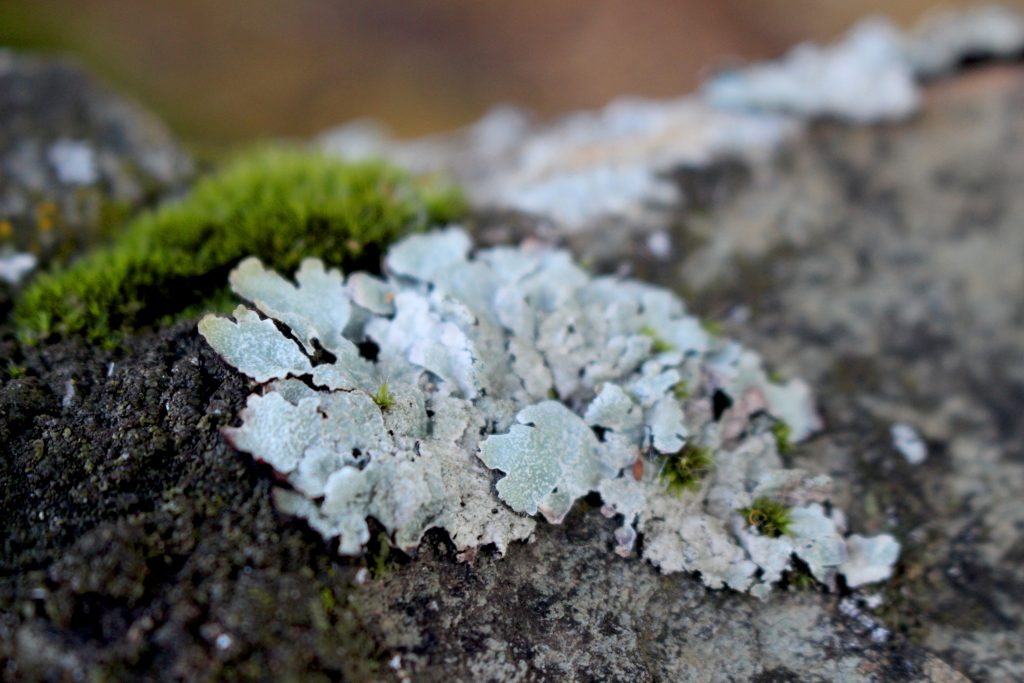
Parmelia quercina
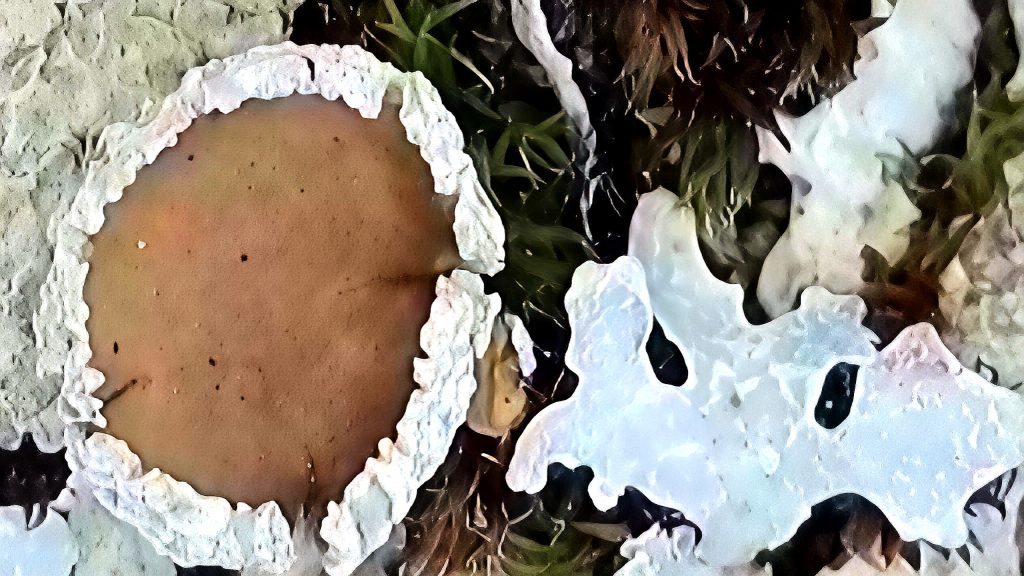
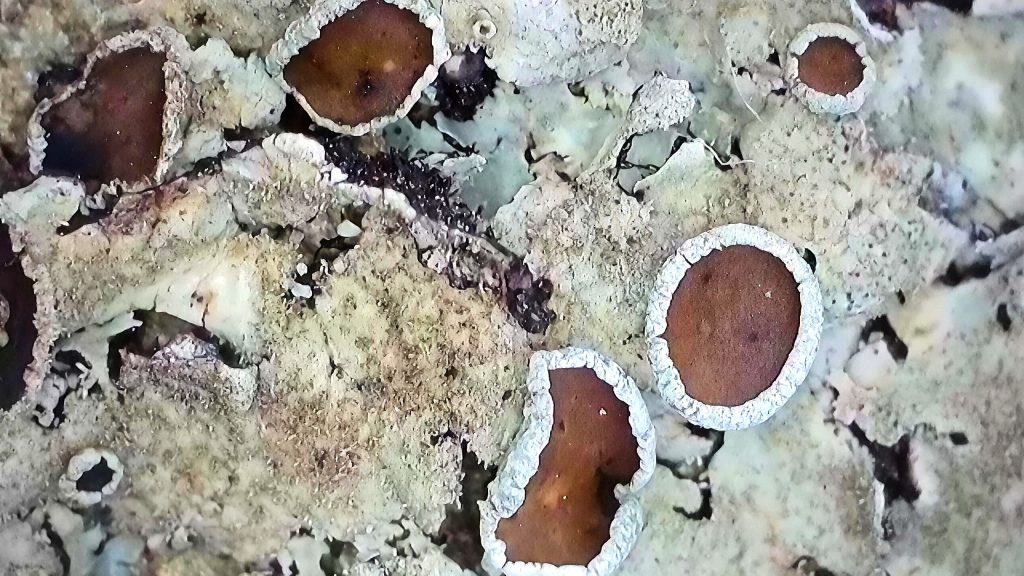
Xanthoparmelia
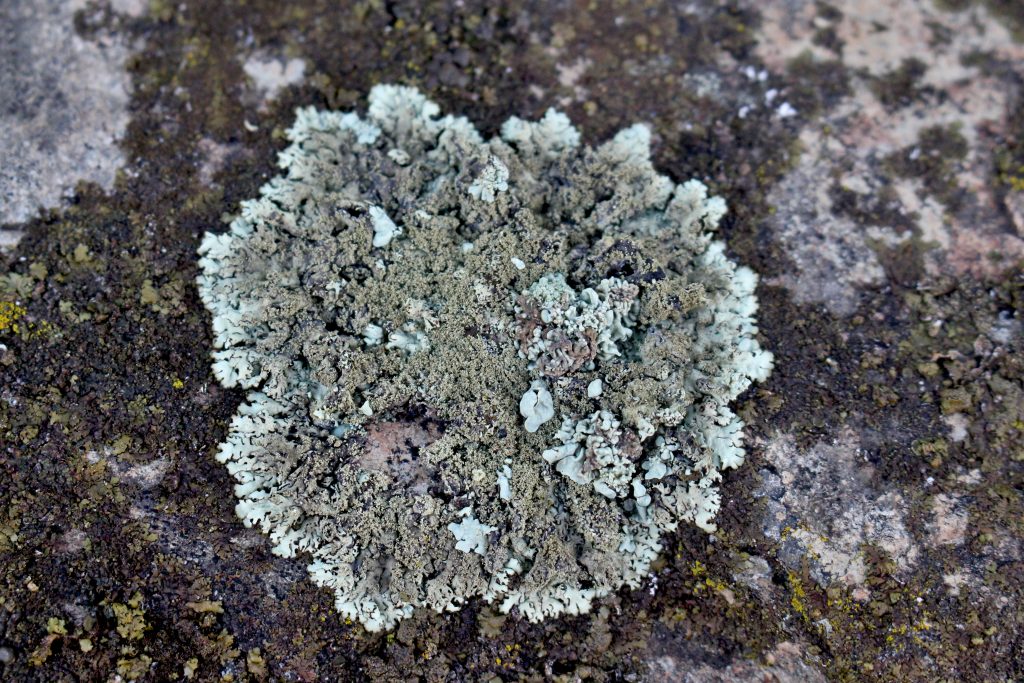
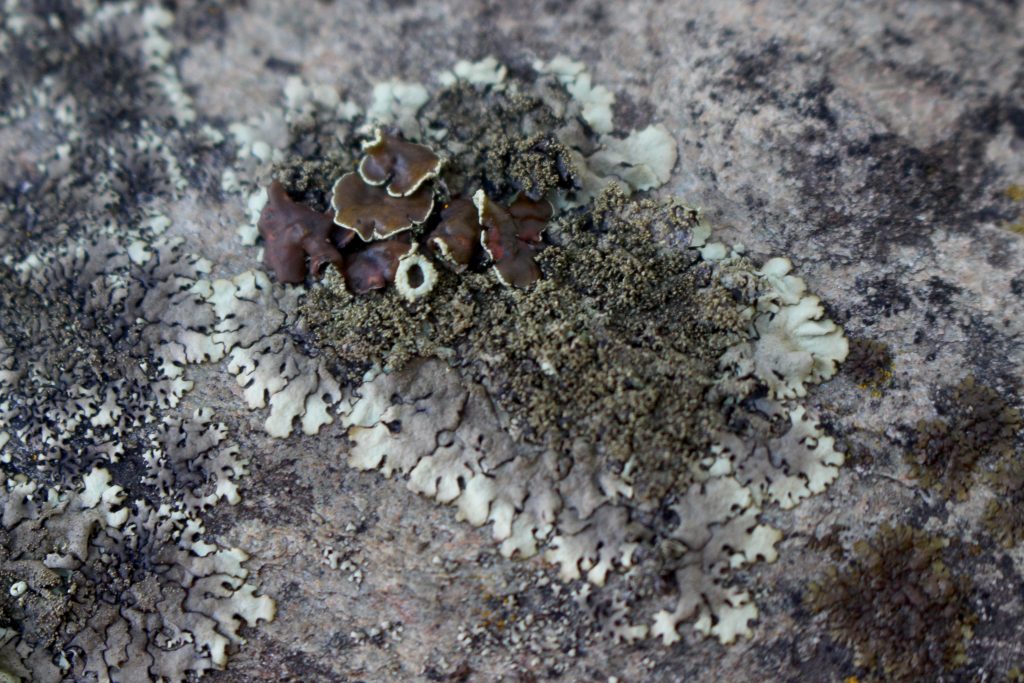
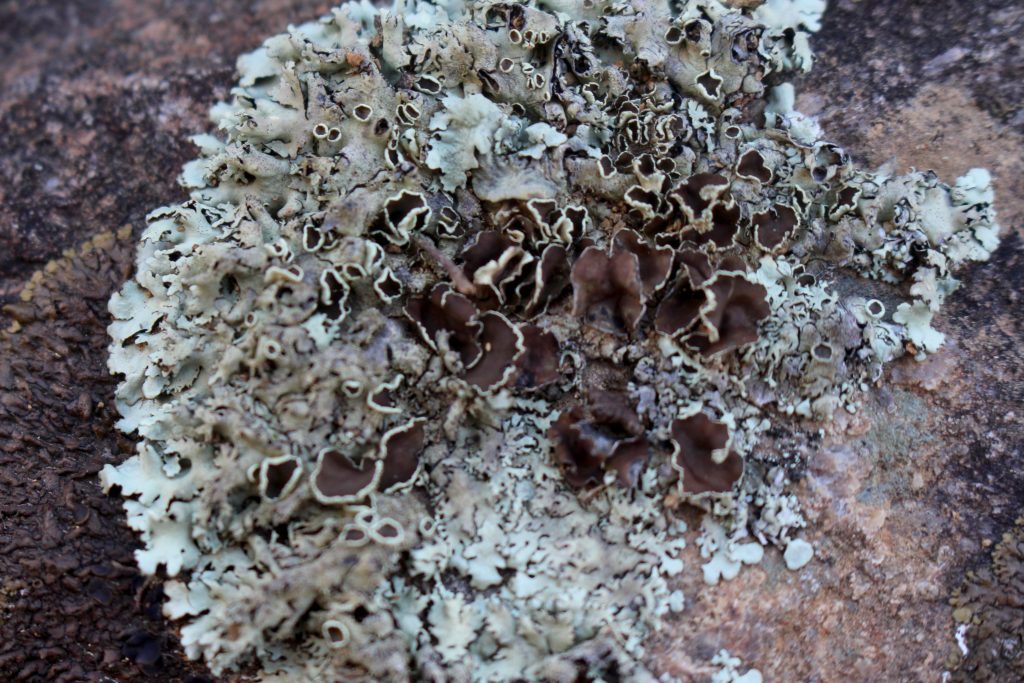
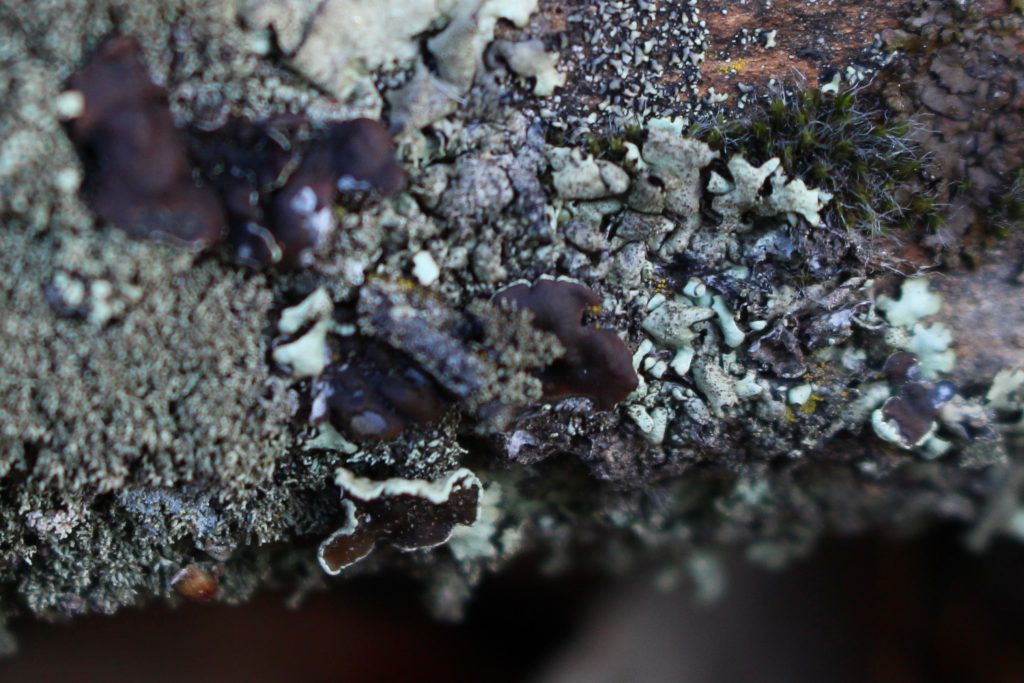
Oak lichen. Evernia prunastri

Ramalina fastigiata
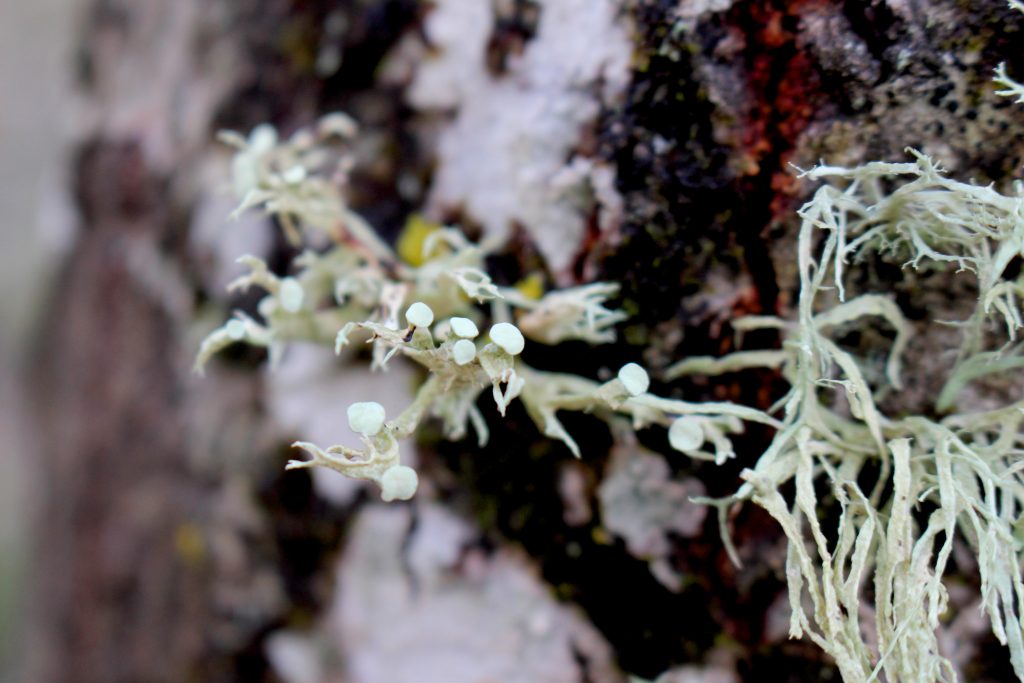
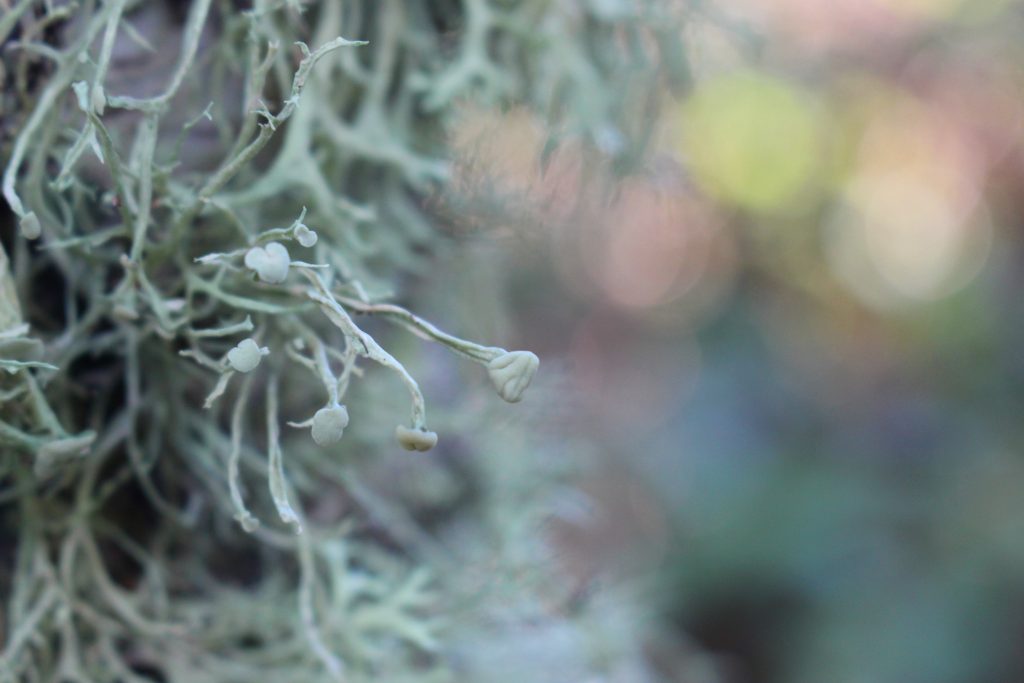
Perhaps the genus Buellia or Fuscidea


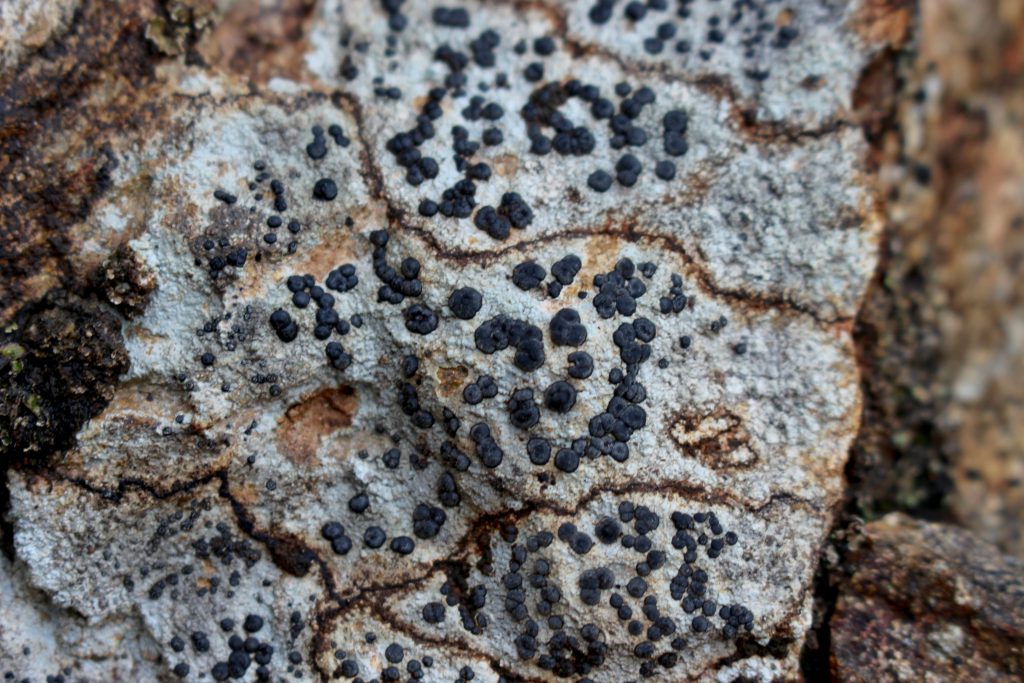
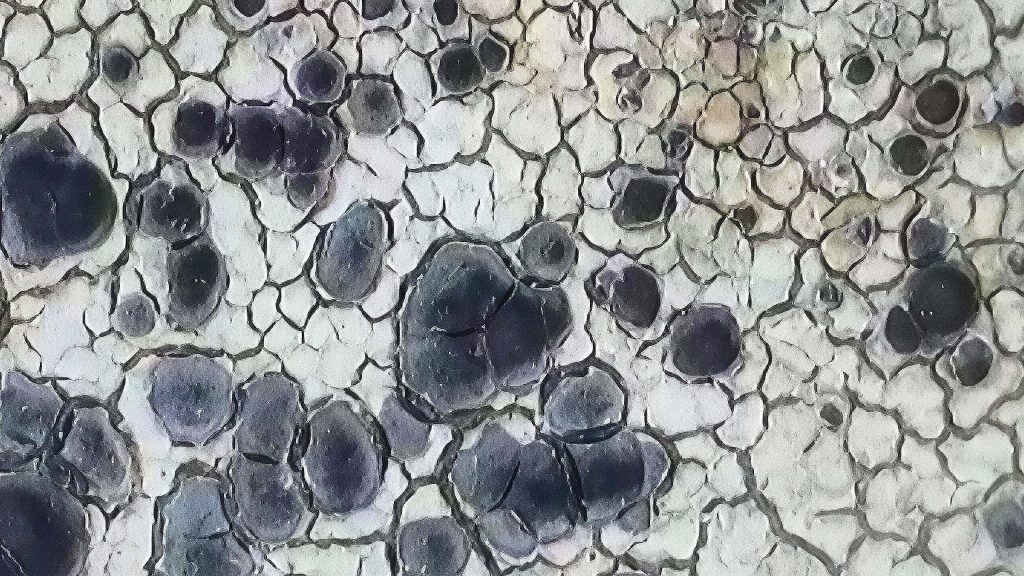
Unknown

Unknown

Perhaps Cladonia foliacea
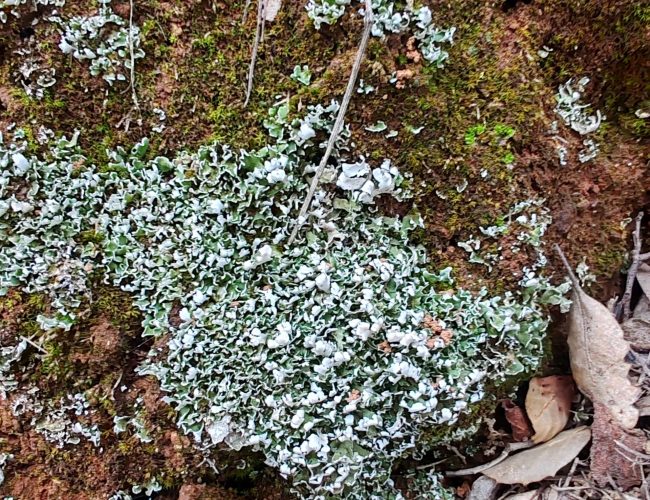
Unknown
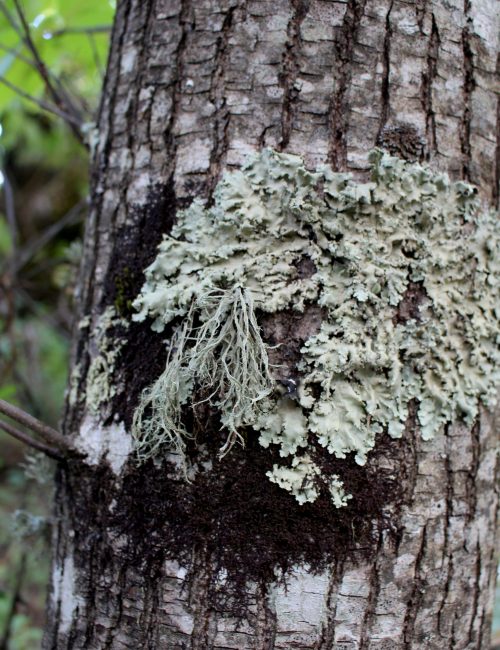
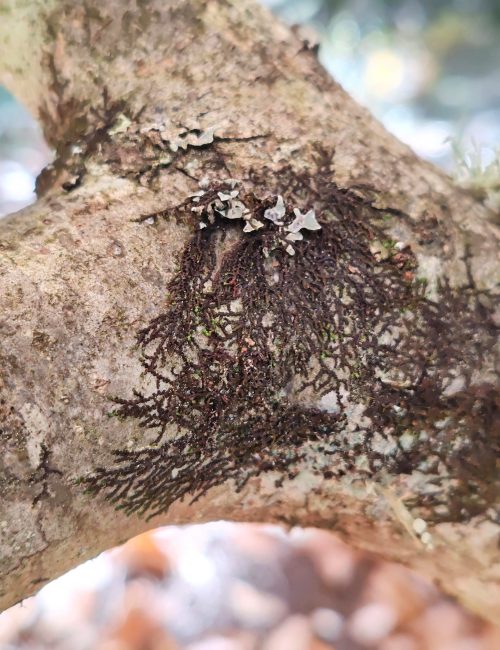
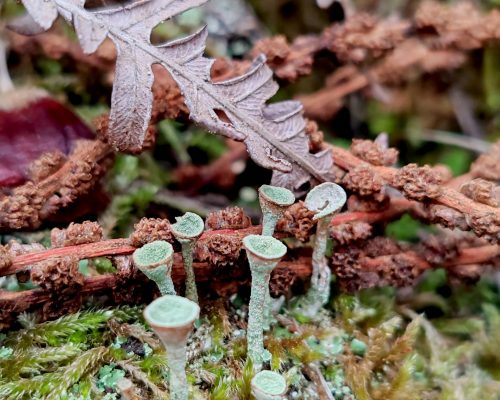
Trumpets of the genus Cladonia
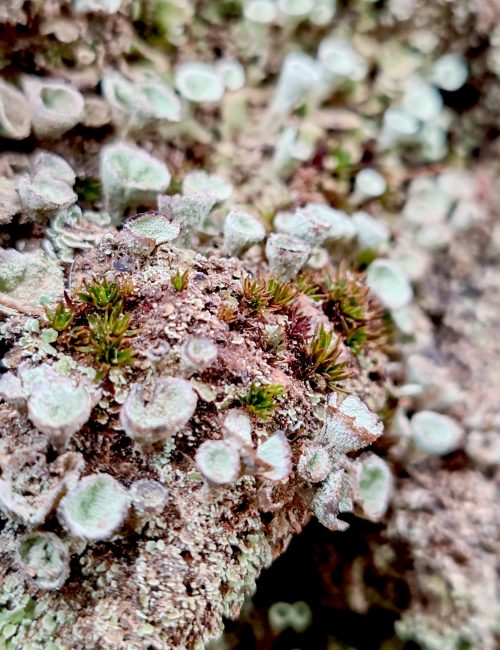
Perhaps Clanopaca crenularia?

Perhaps the genus Ochrolechia?
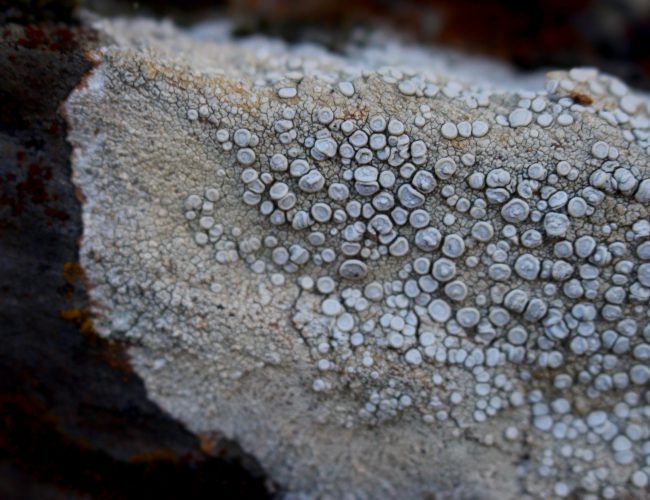
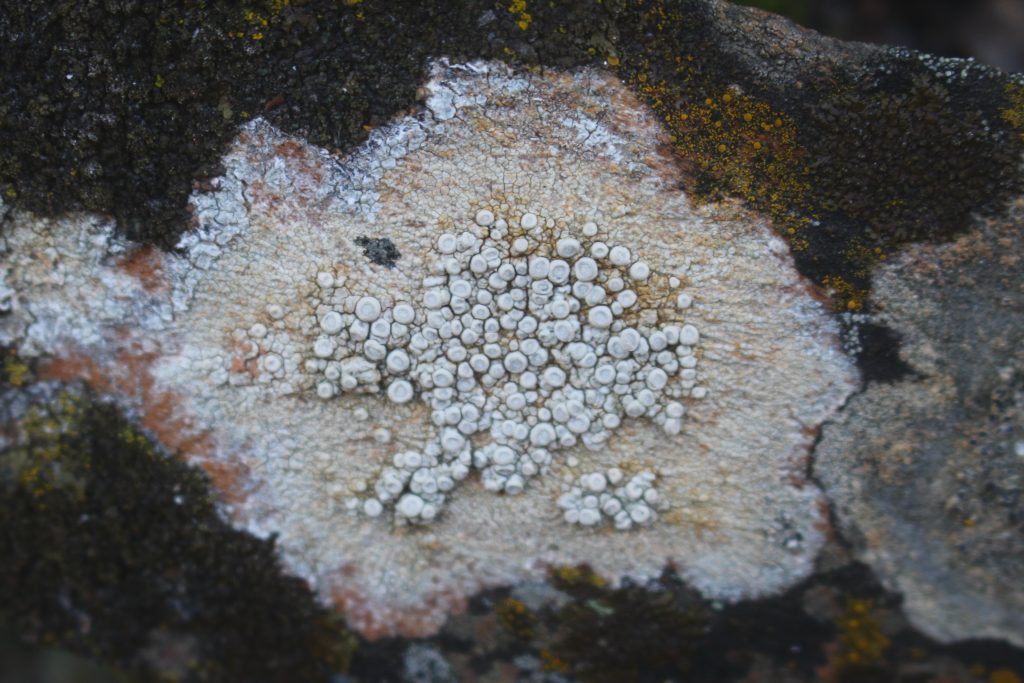

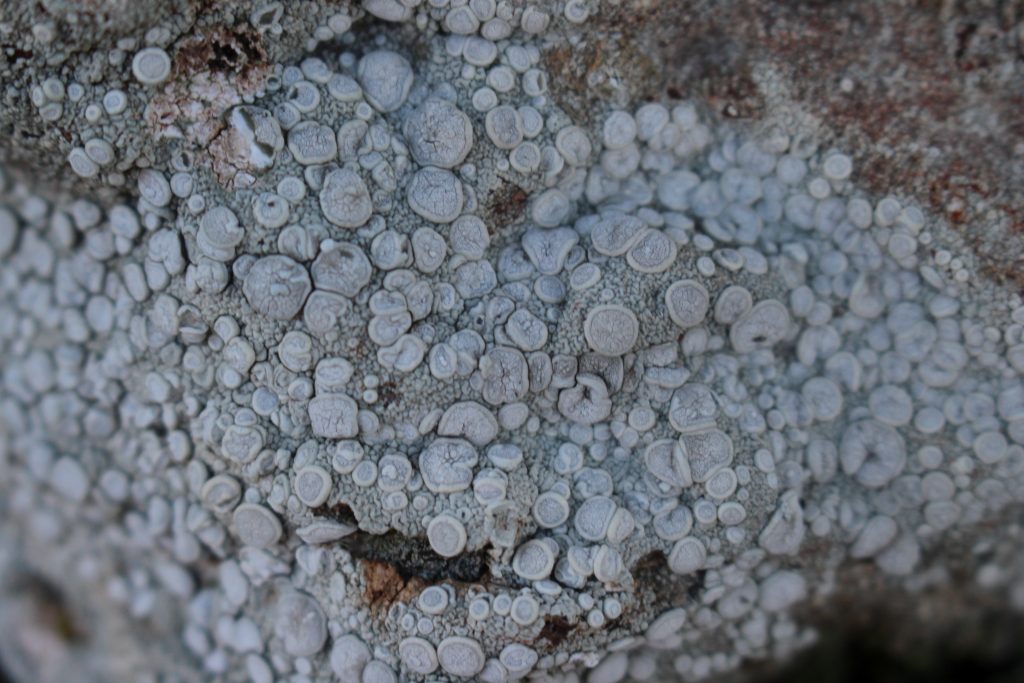

Unknown
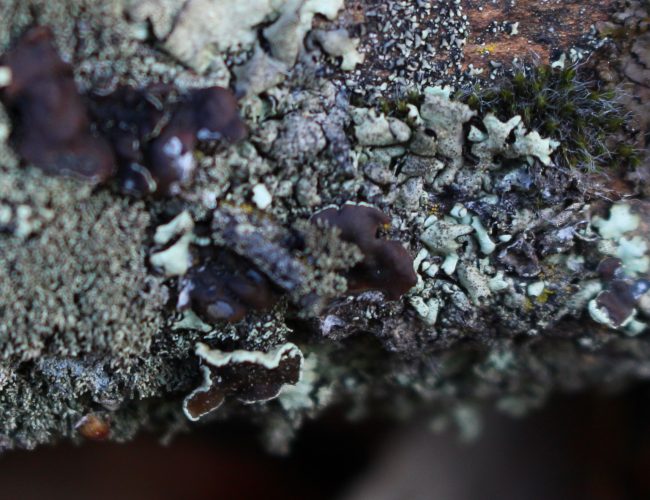
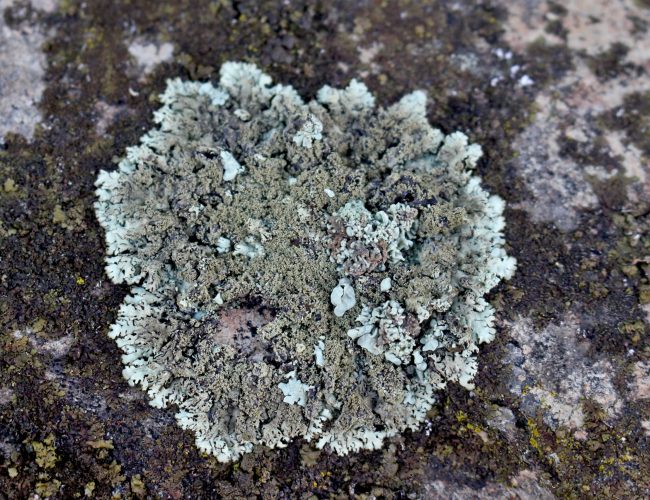
Unknown

Unknown
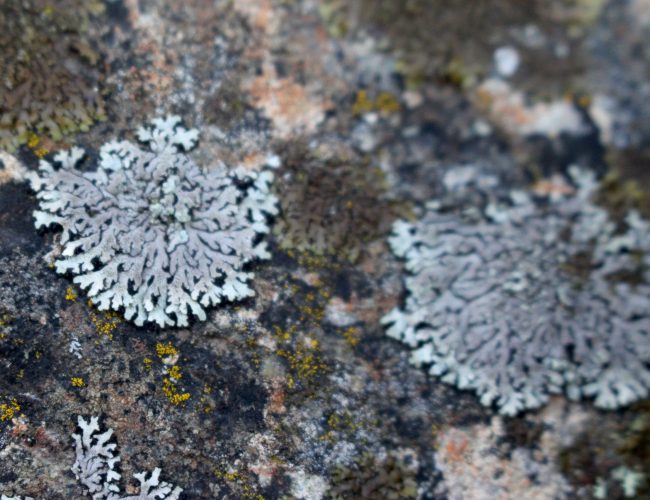
Unknown
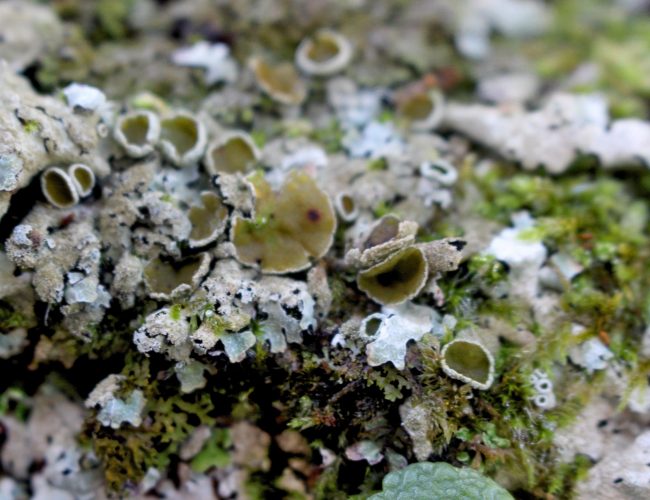
Leprarioid lichen