The hidden life within decaying wood
In the forest, nothing goes to waste.
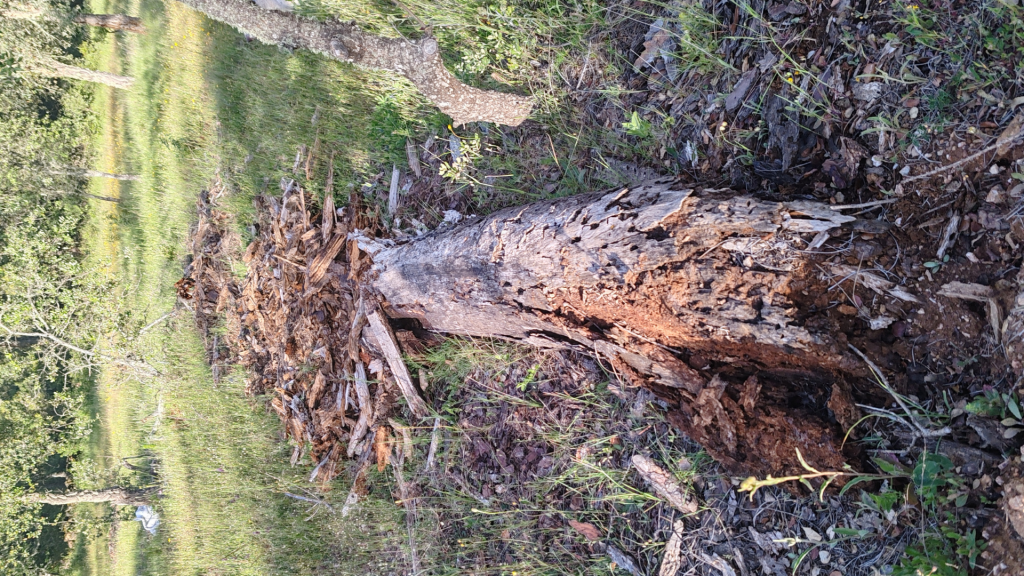
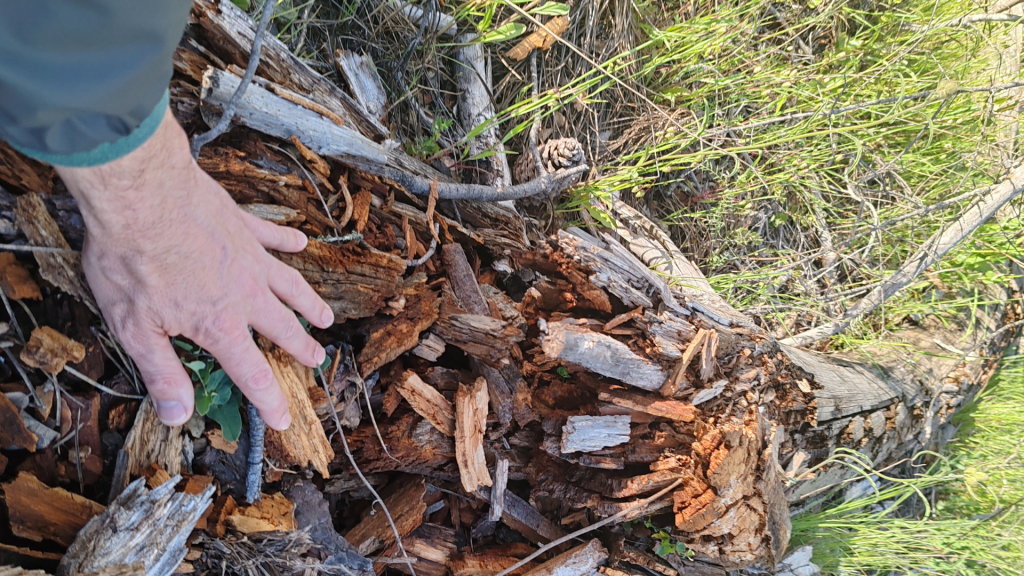
What at first glance looks like a dead tree… is in fact a silent burst of life.
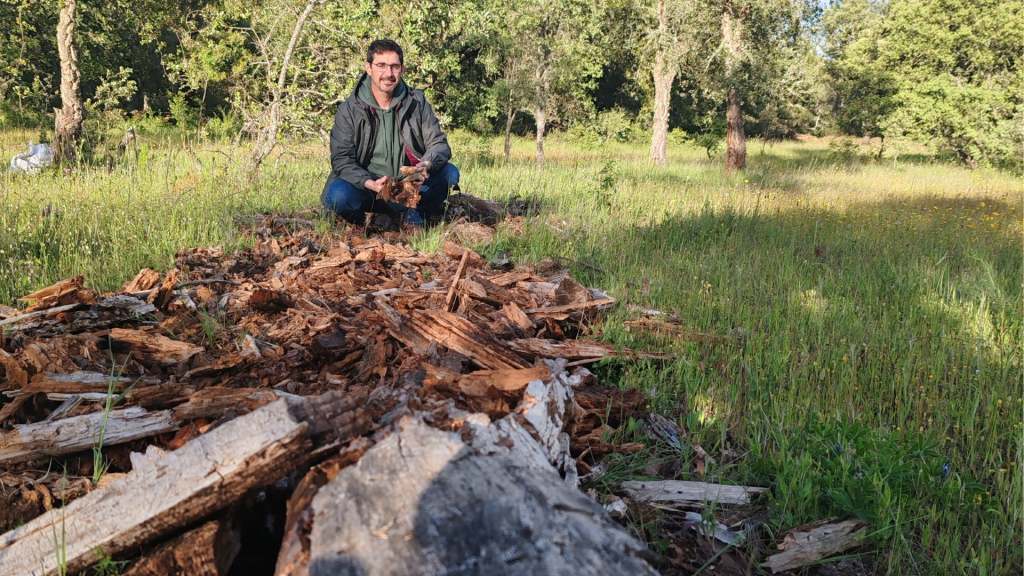
A fallen tree trunk is not the end of anything: it is the beginning of a new cycle. Where many people see neglect or decay, nature sets in motion one of its most important and fascinating processes: the decomposition of wood and the return of its nutrients to the soil.
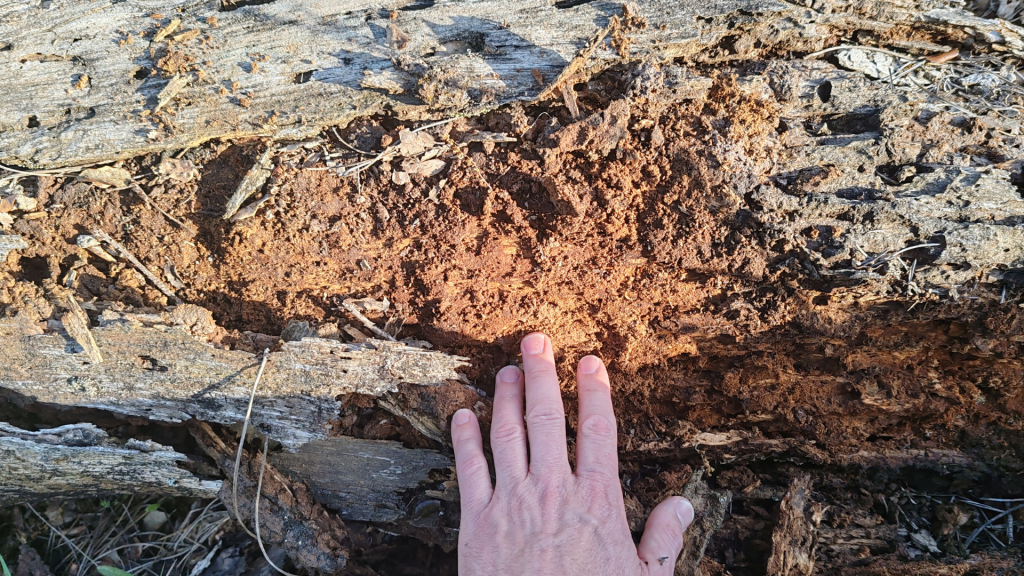
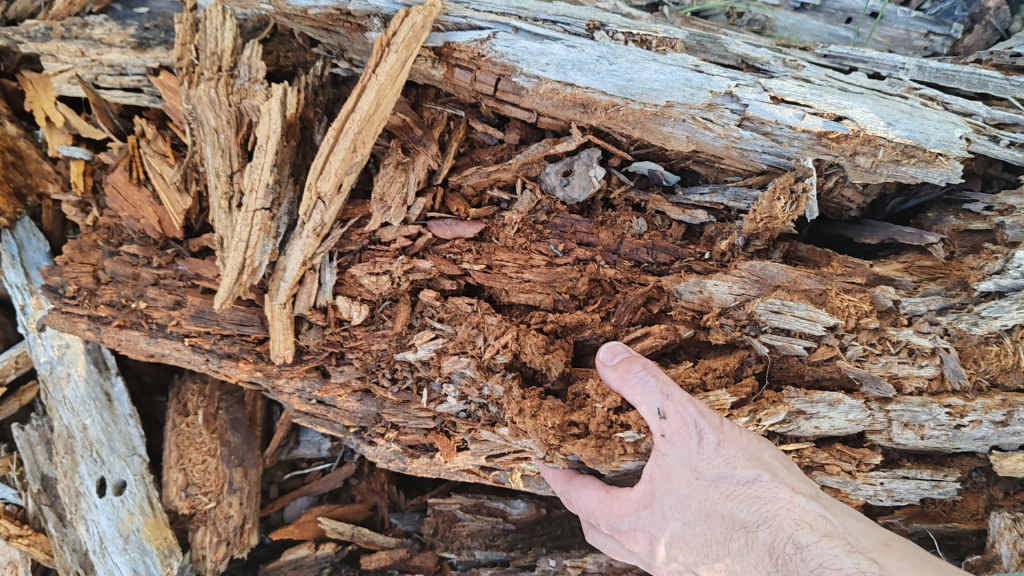
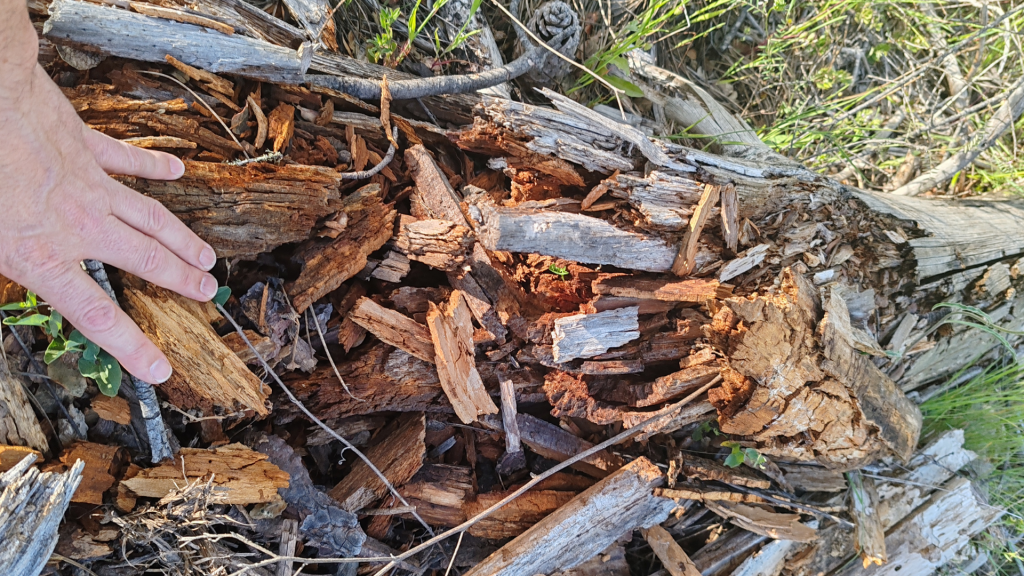
Little by little, quietly and unhurriedly, fungi, insects, bacteria, lichens, mosses and millions of microorganisms begin to transform that fallen tree. The wood softens, becomes damp and slowly begins to merge with the earth. What for decades was a trunk, providing shade and shelter, now becomes nourishment for new forms of life.
Fungi play a key role in this process. Their invisible networks penetrate the wood and break down complex substances such as lignin and cellulose, allowing nutrients to be returned to the ecosystem. Thanks to them, the forest continuously recycles matter and maintains its balance.
At the same time, numerous wood-dwelling insects find shelter and food in decaying wood. Beetles, larvae, ants and small invertebrates all play a part in this collective process, which sustains soil fertility and feeds other species within the food chain.
But fallen logs do not just provide nutrients. They also fulfil essential functions for the health of the forest:
- They help retain moisture in the soil during the dry months.
- They protect against erosion caused by rain.
- They provide a refuge for amphibians, reptiles, insects and small mammals.
- They help new plants and trees to germinate.
- They store carbon and help maintain the ecosystem’s climate balance.
In many natural forests, dead wood is an indicator of biodiversity and ecological maturity. Where there are fallen trees, there is also a great deal of biological activity that often goes unnoticed by those who glance briefly at the landscape.
And perhaps that is one of the great lessons the forest teaches us: to understand that nature does not operate according to the logic of waste. Everything is transformed. Everything finds a new place within the cycle of life.
Even death has an essential role to play.
When we learn to observe these processes, the way we view our surroundings changes. We stop seeing the forest as merely a natural backdrop and begin to understand it as a living, dynamic and deeply interconnected organism, in which every element — from a large tree to a tiny mushroom — plays an essential role.
Environmental education stems precisely from this slower, more mindful way of looking at things. It is about learning to pause, observe and understand the invisible connections that sustain the life around us.
On our guided walks, we set out with this aim in mind: to uncover the silent stories the forest holds beneath our feet, to understand its ecological processes, and to reconnect with a natural world that we often think we know, but which still has much to teach us.
🌿 Because environmental education is also about learning to take a closer look.
It was an educational trail, where we learnt lots of interesting facts about the flora in the Galaroza area. I highly recommend it 100%
Jesús Macías Bedoya
JOIN OUR UPCOMING ‘CONEXIÓN NATURALEZA’ EVENTS: Events
BOOK A NATURE CONNECTION ACTIVITY BY APPOINTMENT: On demand